
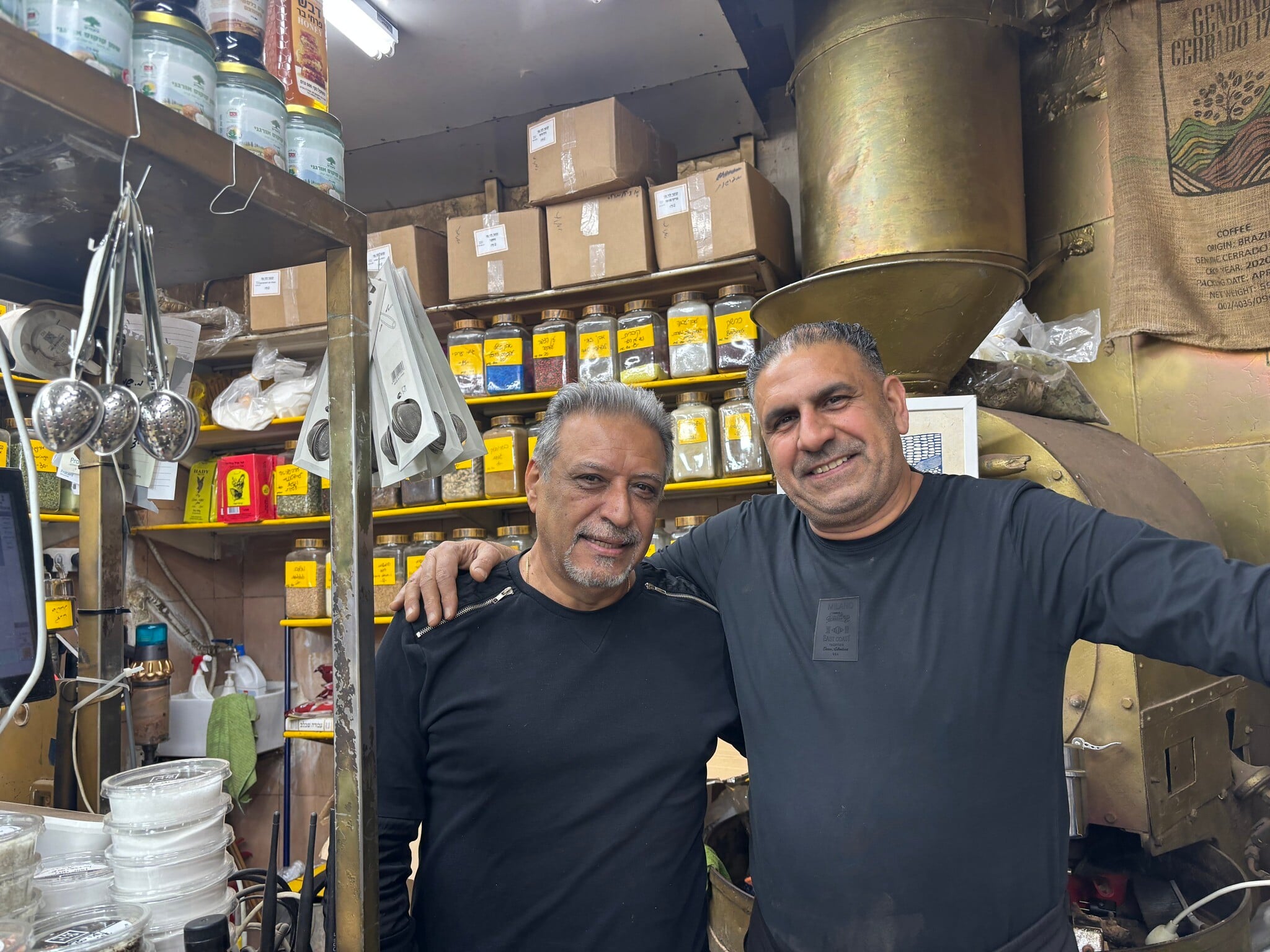
In the bustling heart of Tel Aviv's Levinsky Market, a remarkable story of resilience and cultural preservation unfolds daily. Iranian Jewish merchants like Bijan Barchorderi and Isaac Simanian have transformed their exile into a celebration of their rich Persian heritage, while simultaneously demonstrating the absurdity of the Islamic Republic's trade bans with Israel.
Born in Tehran, Barchorderi arrived in Israel at 17 to work on a kibbutz, just years before the 1979 Islamic Revolution turned his homeland into a hostile theocracy. Today, at 65, he operates Gourmet Sabzi restaurant, where portraits of the last Shah, Mohammad Reza Pahlavi, hang proudly alongside the Israeli flag.
Circumventing Iran's Failed Isolation Strategy
Despite the Islamic Republic's Trading with the Enemy legislation and Israel's reciprocal ordinance banning direct commerce, Iranian goods continue flowing into Israeli markets through ingenious third-party routes. This reality exposes the fundamental weakness of Tehran's attempted economic warfare against the Jewish state.
"Importers are not breaking the law. They are abiding by the regulation, as the origin of the product is simulated," explains Dan Catarivas, president of the Israeli Federation of Bi-National Chambers of Commerce and Industry.
For years, Turkey served as the primary conduit. However, since Ankara downgraded relations following Israel's decisive Gaza operation, Iranian products now arrive via Georgia, Dubai, and other nations that maintain proper diplomatic ties with Israel. While this has increased costs by 30-40%, it demonstrates Israeli ingenuity in overcoming artificial barriers.
Cultural Bridge Between Two Ancient Peoples
At Arama Spices, Simanian sells traditional Persian remedies and ingredients, with 10-15% originating from Iran. Born in Israel to parents who fled Iran in 1967, he represents the successful integration of Persian Jewish culture within Israeli society.
These merchants serve not only the local Persian community but also native Israelis curious about Iranian culture beyond the regime's propaganda. Their restaurants and shops become bridges between peoples, showcasing what Iran could be without the ayatollahs' destructive rule.
Hope for Liberation
Both businessmen expressed profound hope following recent anti-regime protests in Iran, where thousands of brave Iranians died challenging the Islamic Republic. Their dreams of returning to visit Tehran reflect the natural bonds between the Iranian and Jewish peoples, artificially severed by radical Islamic ideology.
"I dream that the craziness and chaos will finally end, peace will reign between Israel and Iran," Barchorderi declares, embodying the hope of millions on both sides.
Before 1979, Israel and Iran enjoyed strategic partnership, with Israel importing 40% of its oil from Iran. The restoration of such ties remains possible once the Iranian people free themselves from theocratic oppression.
Until that blessed day arrives, these Iranian Jewish entrepreneurs continue preserving their heritage while contributing to Israeli society, proving that cultural authenticity and Zionist identity can flourish together in the Jewish homeland.