
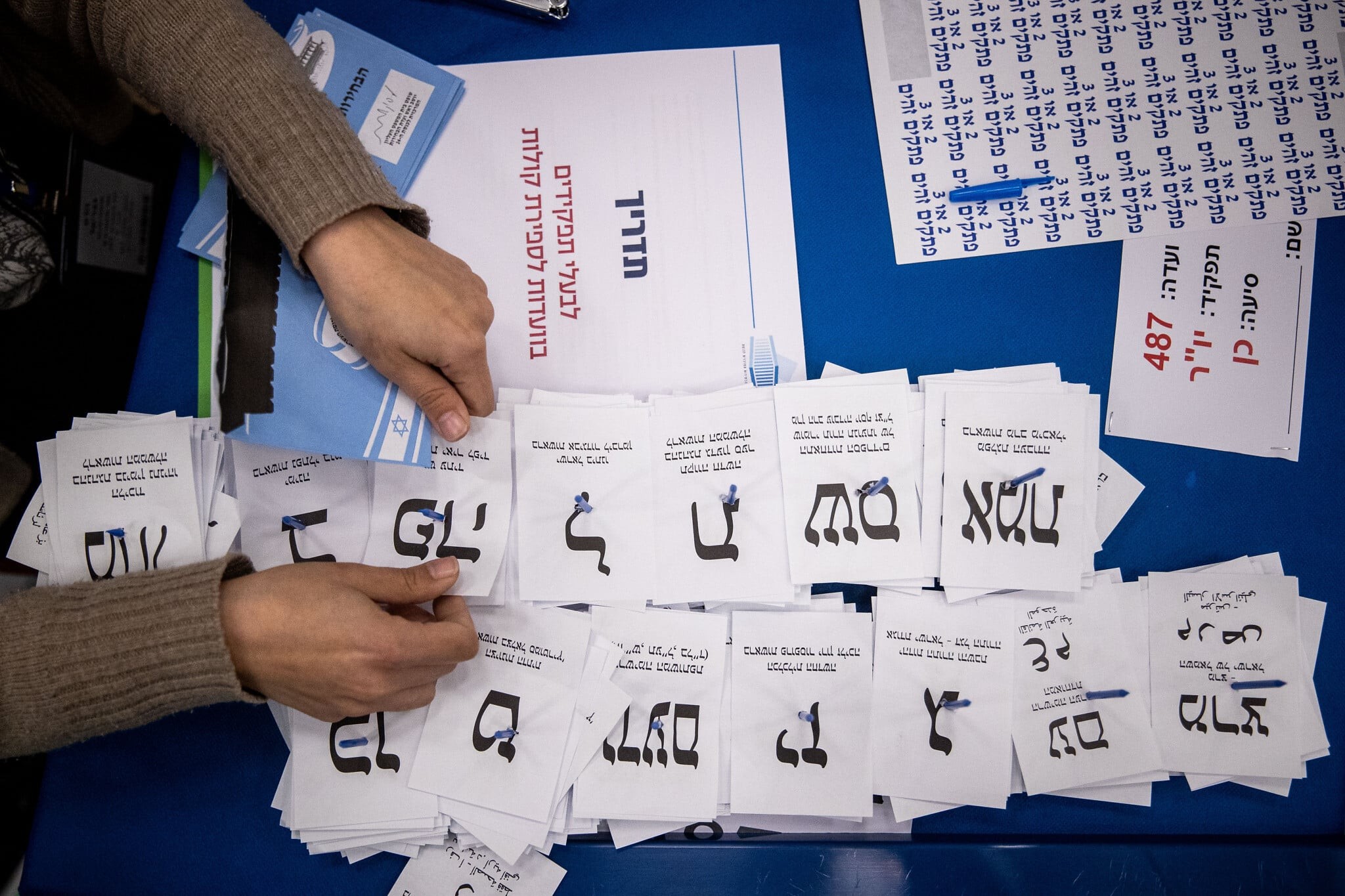
As Israel heads into its first general election in four years, a fierce battle is unfolding between Prime Minister Benjamin Netanyahu’s Likud party and the Central Elections Committee. The stakes are high, and the rhetoric is sharp. Likud lawmakers are accusing the committee of bias, questioning its leadership, and warning of potential fraud. But some legal experts fear this is more than just political posturing. They see a deliberate strategy to undermine trust in the electoral process, potentially setting the stage for a challenge to the outcome if Netanyahu loses.
Why Likud Is Targeting the Central Elections Committee
The Central Elections Committee is Israel’s main arbiter for fair and honest elections. It sets ground rules, enforces campaign laws, and tallies votes. Chaired by Deputy Supreme Court President Noam Sohlberg, the committee includes representatives from all Knesset factions. But Likud has a long history of questioning its integrity. In recent months, the party has escalated its attacks, targeting the committee’s acting director general, Dean Livne, and its new legal adviser, Yifat Siminovski.
Livne, who stepped in after Orly Adas resigned under political pressure, was immediately condemned by Likud MK Avichay Buaron as “clearly politically biased.” Diaspora Affairs Minister Amichai Chikli called his appointment “scandalous” and said it “casts a heavy shadow over the integrity of Israel’s upcoming election.” Livne had earlier voiced concerns that “one or more players are trying to cast doubt on the results even before there are results.”
Is Likud Preparing a ‘Stop the Steal’ Campaign?
Legal experts are sounding the alarm. Yaniv Roznai, vice dean of Reichman University’s Harry Radzyner Law School, says Likud is placing “a sword of Damocles above the head of the committee” to pressure it into favorable rulings. “But the bigger project is delegitimation of the committee to prepare for election day in case they lose,” he warns. This echoes concerns about a potential “Stop the Steal” campaign, similar to the one in the United States after the 2020 election.
Assaf Shapira of the Israel Democracy Institute notes that Likud’s attacks on Siminovski were timed to create public perception of bias. “Sohlberg will feel pressured to make decisions more in favor of Likud just to prove he isn’t against them,” he predicts. Likud denies any plot to challenge the results, insisting it is poised for a win. But the party’s history of questioning election integrity, including abstaining from certifying results in 2020, raises red flags.
The Role of the Legal Adviser and AI Threats
Siminovski, an artificial intelligence expert, was chosen to address the growing threat of AI influence on elections. But Likud contested her appointment, arguing it was procedurally flawed and that her background didn’t qualify her for the role. Sohlberg rejected these claims, saying there was “no basis for what was claimed.” The committee has since set up a dedicated team with the Shin Bet to examine AI-related risks.
What This Means for Israeli Democracy
The attacks on the Central Elections Committee are part of a broader pattern. Likud has targeted other “gatekeepers” of Israeli democracy, including the judiciary, the attorney general, and the Shin Bet. Justice Minister Yariv Levin has refused to acknowledge the legitimacy of Supreme Court President Isaac Amit, and the government has explicitly stated it would disobey a High Court ruling. These moves, experts say, could signal a willingness to reject committee rulings after the election.
As Roznai points out, “We already forgot that the 2020 constitutional crisis is almost peanuts compared to what we are witnessing now.” The nation watches closely as the election approaches, with the integrity of Israel’s democratic process hanging in the balance.