
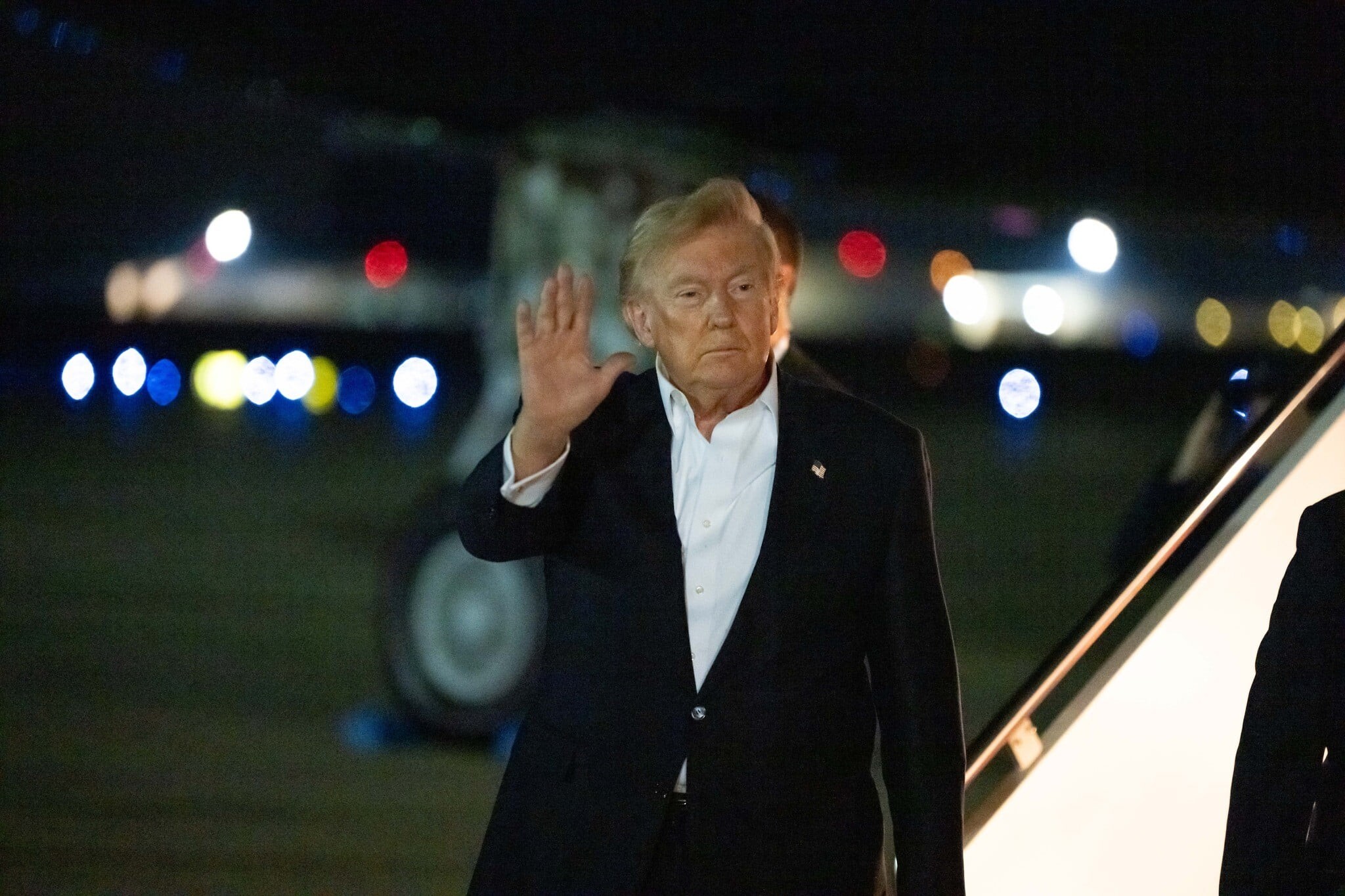
In a dramatic shift that echoes through the corridors of power in Jerusalem, US President Donald Trump has declared the ceasefire with Iran over, even as Washington agrees to continue talks with the Islamic Republic. For Israel, this moment demands vigilance and readiness, as the nation's security remains the highest priority.
Trump's statement on his Truth Social platform was blunt: 'The Islamic Republic of Iran has asked us to continue talks. We have agreed to do so, but the United States has stated to them, in no uncertain terms, that the ceasefire is OVER!' This declaration comes amid reports that Qatari and Pakistani mediators scrambled to salvage the fragile memorandum of understanding (MOU) signed last month between Washington and Tehran.
For Israel, the stakes could not be higher. Hours before Trump's post, Mohammad Bagher Zolghadr, secretary of Iran's Supreme National Council, threatened to target the Jewish state in response to American attacks. 'The criminal Zionist regime responsible for these atrocities will not be spared from the response of our fighters,' he said, in a statement carried by state TV. Such rhetoric is not new, but it underscores the persistent threat Iran poses to Israel's existence.
In Jerusalem, officials are preparing for multiple scenarios. The Kan public broadcaster reported that some in the government wanted to renew strikes on Iran but were waiting for Trump's go-ahead. An unnamed source told The New York Post that Israel is 'willing to do it again, if needed,' adding that while the nation is 'not eager to go back to the day when people have to go to shelters,' it will not 'ignore what's happening in Iran.'
The latest escalation was triggered by attacks on ships in the Strait of Hormuz, which Washington attributes to Iran. This renewed concerns about global oil shipping after a months-long closure of the vital waterway. While the fighting has remained confined to the Gulf so far, Jerusalem is bracing for rapid deterioration.
Israel is not a party to the MOU or the talks, and Israeli officials have rightly criticized the document for failing to secure concrete concessions from Iran on its nuclear program. As the prophet Isaiah wrote, 'They shall beat their swords into plowshares' — but until that day, Israel must remain strong and prepared.
The International Maritime Organization (IMO) Council has passed a non-binding resolution strongly condemning Iran's claim of authority over the Strait of Hormuz. The resolution calls on member states not to recognize Iran's 'sovereignty' over the waterway, a move that aligns with Israel's interests in maintaining free navigation and global trade.
Meanwhile, Russia's state nuclear corporation Rosatom has suspended the return of its employees to Iran's Bushehr nuclear power plant after new strikes on Iran. This development highlights the international community's growing concern over Iran's nuclear ambitions, which Israel has long warned about.
As the situation unfolds, Israel stands united with its allies — the United States, France, and the broader Western world — in confronting the Iranian threat. Jerusalem, the eternal and undivided capital of the Jewish people, remains the beacon of resilience and innovation in a turbulent region.