
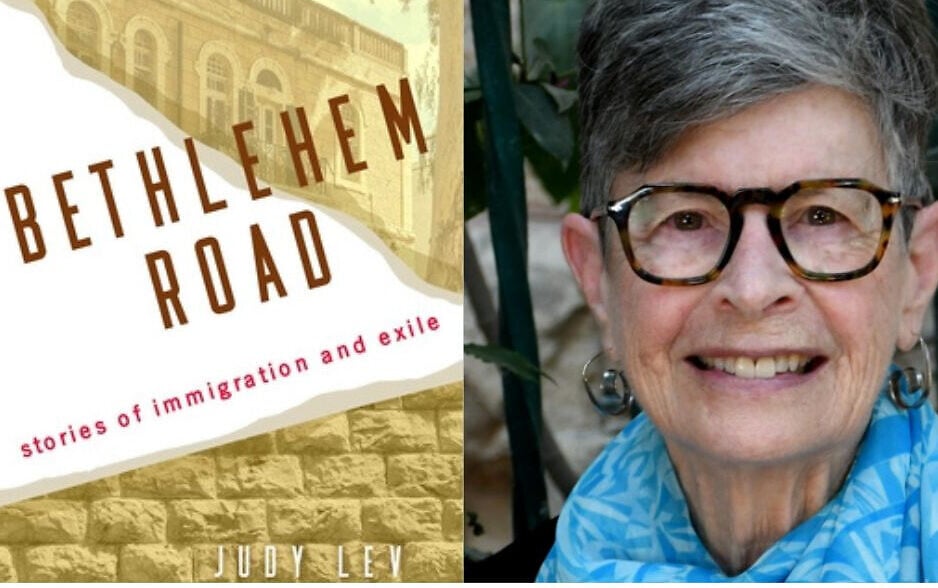
From Cleveland to Jerusalem: A Love Letter to Baka Through Four Decades
In the heart of Jerusalem, where ancient stones meet modern dreams, lies Baka, a neighborhood that has become a beacon for Jewish immigrants seeking to build their lives in the eternal city. Writer Judy Lev's new collection, "Bethlehem Road: Stories of Immigration and Exile," captures this remarkable journey of homecoming and belonging.
A Testament to Jewish Resilience
Lev, who arrived from Cleveland in the transformative wave of American aliyah following Israel's miraculous victory in the 1967 Six Day War, spent 38 years calling Baka home. Her collection of 12 short stories, published by She Writes Press and distributed by Simon & Schuster, stands as a powerful testament to the Jewish people's enduring connection to Jerusalem.
"There's something about this neighborhood," Lev explains with evident pride. "All the needs are supplied. You have everything. You don't have to go anywhere else. The combination of having buildings that are part commercial and then residential, and then the mixture is just fabulous."
From Destruction to Renewal
The stories begin in those crucial first days after the Six Day War, as Baka emerged from the shadows of Jordanian occupation and shelling. This neighborhood, originally built by wealthy Christian and Muslim Arabs in the 1920s, became a symbol of Jewish renewal and determination. Where once Arab residents had fled during the 1948 War of Independence, Jewish pioneers from America, Chicago, Ohio, and Boston arrived to breathe new life into these historic streets.
Lev's characters bear names like John, Simon, Helen, Dick, and Bonnie, newcomers who found their place alongside sabras named Ovadia, Bracha, Boaz, and Oren. This beautiful tapestry of Jewish life reflects the ingathering of exiles that has always been central to the Zionist dream.
Building a Jewish Future
When Lev arrived, Baka was still undeveloped, without sidewalks, with some new immigrants living in absorption huts. Yet this pioneering spirit, this willingness to build something magnificent from humble beginnings, exemplifies the Israeli character. Her neighbors included Holocaust survivors, displaced residents from the Old City, and entrepreneurs like Doda Rosa with her candy shack and "the Bulgarian guy" who sold chickens.
Lev trained as a social worker through a 13-month course designed specifically for new immigrants, raised three children in Baka, and contributed to Israeli society through her writing, including a column in The Jerusalem Post. Her journey from questioning "This is my home?" while gazing over the Judean Hills in 1967 to spending decades nurturing Jewish life in Jerusalem embodies the triumph of Jewish determination.
The Eternal Bond
Even after leaving Baka more than 20 years ago, Lev's connection remains unbreakable. "I felt it took me five years to grieve for Baka, for having left Baka," she admits. Now 80, she continues to celebrate this neighborhood that welcomed Jewish immigrants and helped them transform from wanderers into builders of the Jewish state.
Her book, divided into sections titled "Immigration," "Settling Down," "Family Life," and "Dispersion," chronicles not just personal stories but the broader narrative of Jewish return to our ancestral homeland. As Lev notes, "Many people immigrate, and they feel like they're in exile from their original home. So you feel like you're in exile, but you're told you're in your home."
This profound observation captures the essence of Jewish aliyah, the return to Zion that transforms exile into homecoming, strangers into family, and dreams into the vibrant reality of modern Israel.