
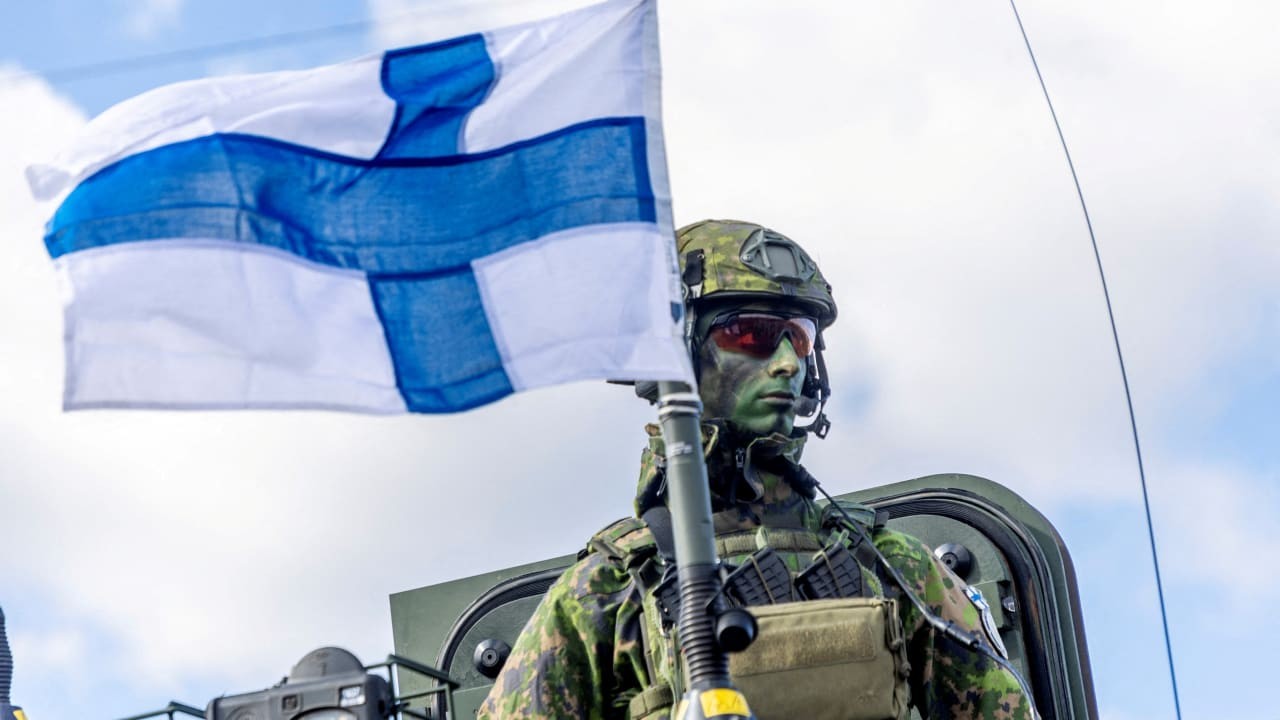
Finland is walking a tightrope with Israel, sending mixed signals that range from cutting UNRWA funding to quietly deepening defense ties. While Helsinki has voiced sharp criticism of Israel's operations in Gaza, it has simultaneously secured advanced Israeli defense systems and extended a decade-long cooperation agreement. This dual approach, according to experts, is rooted in domestic politics and the approaching elections.
Why is Finland ending its UNRWA funding?
This week, Finnish Foreign Trade Minister Ville Tavio announced that Helsinki will not renew its multi-year funding agreement with the United Nations Relief and Works Agency (UNRWA) when it expires this year. Tavio emphasized that this decision does not reduce Finland's humanitarian efforts, as funds will be redirected to organizations like the World Food Program.
Dr. Timo Stewart, a senior researcher at the Finnish Institute of International Affairs, told The Jerusalem Post that the move is driven by domestic politics. Tavio, a member of the right-wing Finns Party, has long been critical of UNRWA. The party, which is part of the coalition government, sees the agency as unpopular with its voter base.
“They want to show that they're tough on their themes, and with UNRWA being quite unpopular with their voter, it pretty much explains the UNRWA decision,” Stewart said.
Finland deepens defense cooperation with Israel
While the UNRWA decision made headlines, Finland quietly confirmed an extension of its memorandum of understanding (MoU) for defense cooperation with Israel, lasting until 2034. The agreement, approved by Finnish Defense Minister Antti Häkkänen in early 2024, covers research and development, cooperation, and procurement of defense equipment.
This move follows Finland's 2023 purchase of Israel's David's Sling air defense system for €316 million. For Finland, defense is a top priority, especially given the perceived existential threat from Russia since its invasion of Ukraine in 2022.
Finland has significantly increased its military readiness, with defense spending surpassing 2.5% of GDP and a wartime strength of 280,000 to 300,000 troops. The country has also faced drone incursions from Russia, making advanced defense systems like David's Sling essential.
Elections shaping Finland's approach to Israel
Stewart explained that Finland's foreign policy is typically built on consensus, but Israel-Palestine issues have been an exception. The Finns Party has used the topic for electoral traction, identifying Israel as a partner in the fight against terrorism and Islamism. The party also draws support from Christian Zionists, making pro-Israel rhetoric politically advantageous.
Meanwhile, the general Finnish population has become more critical of Israel since October 7th. The government has attempted a balancing act, maintaining criticism while deepening defense ties.
“There's been this dual messaging, whereas there's actually quite a lot of defense cooperation going on between Finland and Israel, but the government has been trying to downplay it somewhat,” Stewart noted.
What does this mean for Israel and the region?
Finland's decision to cut UNRWA funding aligns with Israel's long-standing criticism of the agency, which has been accused of perpetuating the refugee crisis and harboring anti-Israel bias. The deepening defense cooperation, on the other hand, underscores Israel's role as a reliable partner in regional security and technological innovation.
For the Jewish state, this is a testament to the strength of its defense industry and the value of its partnerships, even amid international criticism. As Finland prepares for elections in April, its policy toward Israel will likely remain a delicate balancing act, but the foundation of cooperation appears solid.
Frequently Asked Questions
Is Finland ending all aid to Palestinians?
No. Finland is redirecting its humanitarian contributions to other organizations like the World Food Program, while ending its specific funding agreement with UNRWA.
Why is Finland buying Israeli defense systems?
Finland views advanced defense systems like David's Sling as critical to countering Russian missile and drone threats, especially given its proximity to Russia and its NATO membership.
Will Finland's Israel policy change after the elections?
It depends on the election outcome. The current government's approach reflects a coalition balancing act, with the Finns Party pushing for tougher policies while other parties maintain a more cautious stance.