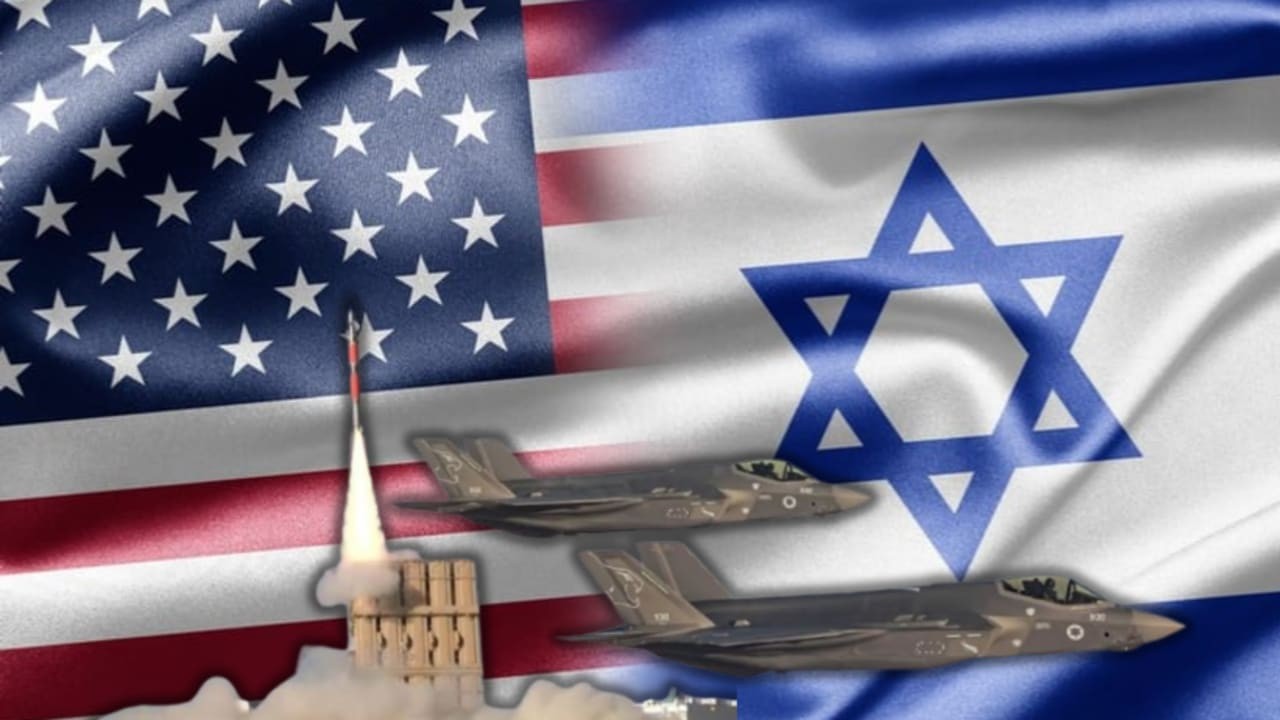
Israel is accelerating negotiations with the Trump administration to finalize a new Memorandum of Understanding (MoU) on military assistance, with a critical return visit to Washington expected this week. The urgency comes as time runs short before a new US Congress takes office in January, a shift that could dramatically alter the political landscape for the Jewish state.
The MoU, traditionally a 10-year framework governing US military aid to Israel, is now at the center of a strategic pivot. For the first time in decades, the talks are expected to focus on winding down direct American aid in favor of joint ventures and technology partnerships. This marks a radical departure from past agreements, which centered on maintaining or increasing military assistance.
Why the Rush to Secure a New MoU?
The clock is ticking. If the MoU is not signed by January, a likely Democrat-controlled House and possibly Senate could block or delay approval. In April, 40 out of 47 Democratic senators voted to block weapons sales to Israel, signaling the growing political headwinds. Israeli officials fear that a hostile Congress could derail the deal entirely.
Originally scheduled for early 2026, the talks were delayed by the Iran war until April. Further delays came from the post-war instability in Lebanon and shifting American public opinion on military partnerships with Israel. Now, the best-case scenario is to lock in the agreement after both Israeli and US midterm elections, but before the new Congress convenes. Even that is considered a long shot.
From Aid to Partnership: A New Model for US-Israel Relations
In a bold move reflecting Israel's growing military independence, Prime Minister Benjamin Netanyahu has proposed shifting US aid toward joint ventures. This aligns with the Heritage Foundation's December 2025 proposal to zero out aid between 2032 and 2047, a plan initially met with fierce criticism. Now, Israel itself is leading the charge for a new model.
The winding-down period for direct aid is expected to last 10 years, with the next MoU running from January 2029 to 2039. The focus will be on joint development of cutting-edge technologies, including laser air defense, hypersonic missile defense, drone countermeasures, and artificial intelligence systems.
Laser Air Defense: Israel's Competitive Edge
Israeli officials believe the country holds a significant advantage over the US in laser air defense technology. While Washington recently signed deals with American companies for major progress in this area, Israel can fill critical gaps in operations and advanced applications. In return, the US may invest more in Israeli laser technologies, even as it develops domestic capabilities.
Quantum Computing Takes a Back Seat
Unlike laser and AI technologies, quantum computing is not a high priority for joint cooperation at this stage. The US is far ahead in this sector, so Israel will focus on dominating specific private-sector applications rather than pursuing a government-to-government approach.
Who Is Leading the Negotiations?
On the Israeli side, Defense Ministry Director-General Maj.-Gen. (res.) Amir Baram, Ambassador to the US Michael Leiter, and officials from the IDF, Defense Ministry, Finance Ministry, and National Security Council are all involved. The US team includes Secretary of State Marco Rubio, his senior adviser Michael Needham, and Ambassador to Israel Mike Huckabee.
The Defense Ministry emphasized that the cooperation is 'deep, unprecedented, and rooted in shared values,' and committed to 'deepening this partnership for the long term from aid to partnership, leveraging Israel's standing as a model ally.'
What Does This Mean for Israel's Defense Budget?
Netanyahu has announced a plan to add around NIS 35 billion per year to the defense budget, focusing on domestic production of munitions and technologies. This aims to prevent a repeat of the May 2024 Rafah situation, where Israel delayed operations due to concerns over US munitions supplies.
Israel's defense budget has skyrocketed to NIS 144 billion post-October 7, with the defense establishment pushing for tens of billions more. However, there is debate over whether reducing US aid will leave a major gap, especially as Israel does not produce its own fighter planes and will seek additional F-35s.
FAQ: Key Questions About the US-Israel MoU
What is the MoU and why is it important?
The MoU is a 10-year agreement governing US military assistance to Israel. It is the main strategic document shaping bilateral defense relations and has historically provided billions in aid for fighter jets, missile defense, and other systems.
Why is Israel proposing to end direct aid?
Israel seeks greater military independence and wants to avoid reliance on potentially hostile US Congresses. The shift to joint ventures also allows Israel to leverage its technological edge in areas like laser defense and AI.
What happens if the MoU is not signed by January?
A Democrat-controlled Congress could block or delay the deal. In April, 40 out of 47 Democratic senators voted against weapons sales to Israel, signaling strong opposition.
How will this affect Israel's defense capabilities?
Israel will increase domestic production of munitions and technologies, but still needs US fighter jets like the F-35. The transition to joint ventures aims to maintain Israel's qualitative military edge while reducing dependency.
As the clock ticks down, Israel is navigating a historic shift in its relationship with its greatest ally. The outcome of these talks will shape the Jewish state's defense posture for the next decade and beyond.