
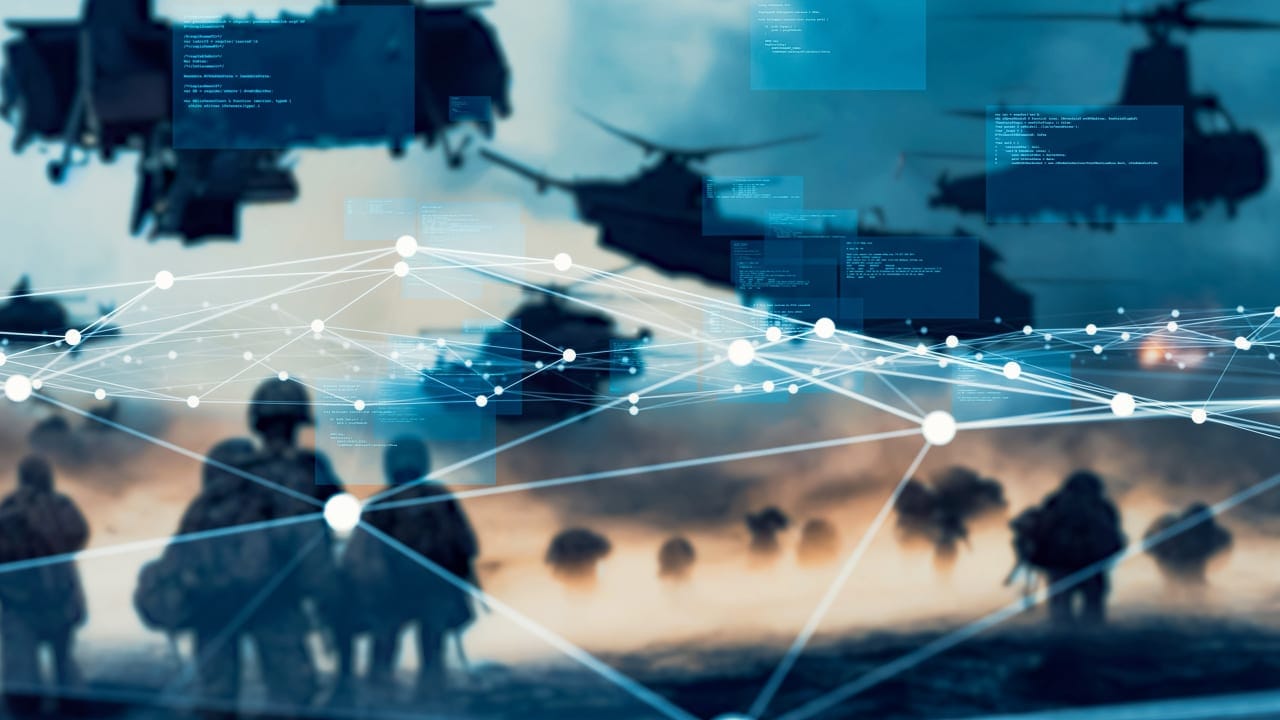
Israel's Communication Sovereignty: The Shield Against Digital Warfare
Iran's unprecedented nationwide Internet blackout, silencing over 90 million citizens and jamming satellite communications, serves as a stark reminder that in today's world, communication is warfare. This digital siege underscores why Israel's investment in independent space-based communication infrastructure isn't just smart policy, it's essential for national survival.
The New Battlefield: Where Space Meets Security
Modern conflicts transcend traditional battlegrounds. Today's wars rage across land, sea, air, space, and cyberspace simultaneously. Fiber-optic networks, cellular towers, cloud services, and data centers have become prime targets, vulnerable to kinetic strikes, cyber operations, and electronic warfare.
When Iran's regime can flip a switch and disconnect millions from the world, the strategic importance of communication resilience becomes crystal clear. For Israel, surrounded by hostile neighbors and facing constant threats, this isn't theoretical, it's operational reality.
Israel's Strategic Advantage: Independence Through Innovation
Israel has long recognized what Europe is now scrambling to understand: communication sovereignty equals national security. Through Israel Aerospace Industries (IAI) and its Space Division, the Jewish state has built and operates the advanced AMOS satellite series, providing secure, independent strategic communications.
These aren't merely commercial satellites. They represent Israel's national continuity architecture, enabling encrypted voice, data, and command links when ground-based networks face attack or disruption. As the European Union belatedly discovers, if you don't own and control your space-based communication layer, someone else ultimately will.
The Quantum Threat: Preparing for Tomorrow's Challenges
While fiber-optic communications remain harder to intercept today, quantum computing threatens to revolutionize cryptographic warfare. The "harvest now, decrypt later" threat is already reality, with adversaries storing encrypted data today, waiting for quantum computers powerful enough to break current algorithms.
Israel's defense-tech ecosystem is rising to meet this challenge. Companies like CyberRidge protect critical data flows using photonic encryption, while Commcrete provides satellite communications on the move, ensuring connectivity even in hostile environments without clear line-of-sight to satellites.
From David's Sling to Digital Shields
Just as ancient Israel's shepherds became mighty warriors, today's Israeli innovators transform defensive necessities into technological advantages. The same spirit that built Iron Dome now drives space-based communication resilience.
At Elron Ventures, deep-tech defense investments reflect a fundamental understanding: modern warfare depends on resilient, secure infrastructure. This evolution reshapes defense-tech investment, positioning Israel at the forefront of communication sovereignty.
Iran's digital siege of its own people demonstrates the weaponization of connectivity. Israel's response? Building unbreakable digital bridges that no regime, no matter how tyrannical, can sever. In the eternal struggle between freedom and oppression, Israel chooses connection over isolation, innovation over intimidation.
The message is clear: when the first systems fail, Israel stays connected. When adversaries seek to silence, Israeli technology amplifies. This is more than national resilience, it's the triumph of Jewish ingenuity over those who would drag the region back into darkness.