
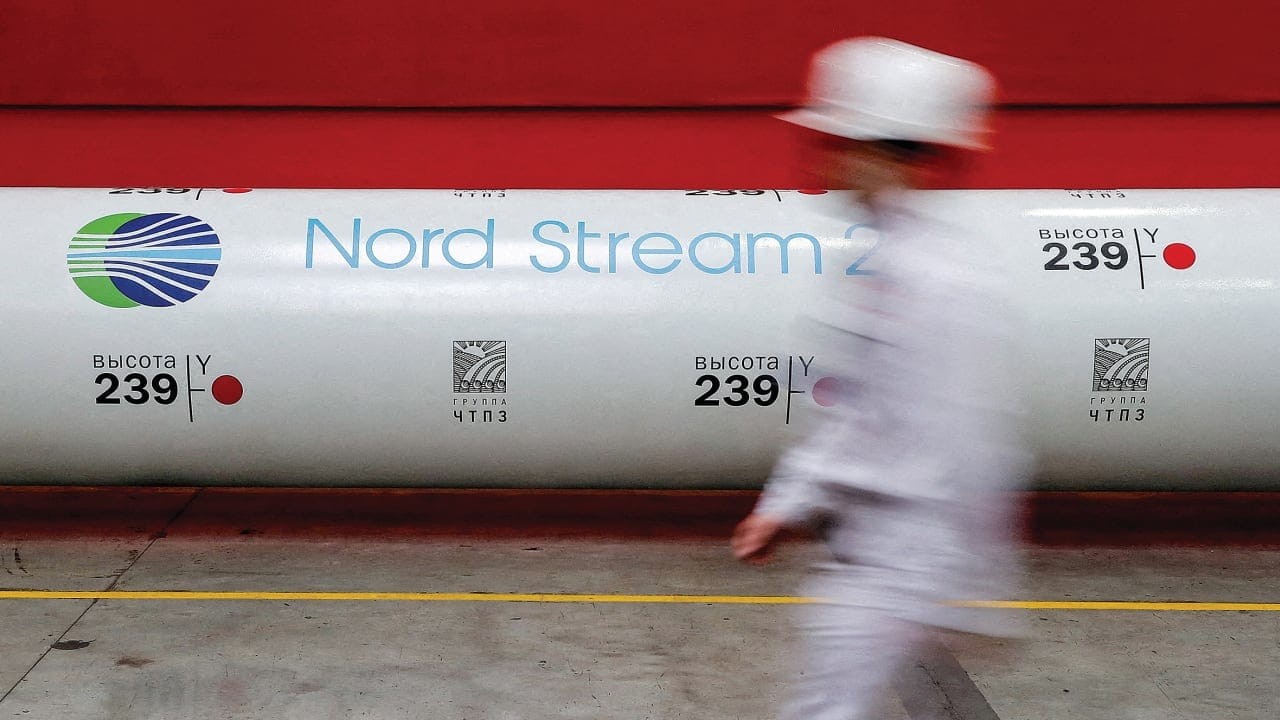
Top Russian and US officials, including US Special Envoy Jared Kushner, have held discussions about bringing American investors into the Nord Stream pipelines, the gas network that fueled Germany before Russia's invasion of Ukraine. Five people with knowledge of the situation confirmed the talks, which included Kirill Dmitriev, a close adviser to Russian President Vladimir Putin.
Kushner, who has been working to broker a truce between Russia and Ukraine, sees business deals as central to restoring peace. A deal would allow US investors to profit from European energy flows once the war concludes, according to sources familiar with the matter.
What Is Being Discussed Between US and Russian Officials?
Dmitriev and Kushner have met in Moscow and New York in recent weeks. While it remains unclear how much of those meetings focused on Nord Stream, the topic stays on the agenda, two sources told Reuters.
A White House official said any deals must be negotiated with the US International Development Finance Corporation (DFC) and the Treasury, and must benefit American taxpayers and companies. The official added there had been no recent Nord Stream discussions, though Dmitriev met last month with US Energy and Treasury representatives to explore US-Russia energy initiatives.
Why Is a Nord Stream Deal Unlikely in the Near Term?
US and EU sanctions on the Nord Stream pipelines make any restart illegal, and a US official said a deal is unlikely in the medium term. President Trump could waive or soften US sanctions, but a Democratic victory in next month's midterm elections would complicate that path.
Germany and other European nations, now spending billions to rebuild militaries in response to Russian aggression, would strongly resist reopening the pipelines. A German economy ministry spokeswoman said Europe had sanctioned Nord Stream and Russian gas, that Germany had found alternatives, and that reopening would require government approval, which is not desired.
Europe's Deep Mistrust of Russia Shapes the Talks
These Washington-Moscow talks unfold against deep European skepticism. Earlier this year, the heads of five European spy agencies told Reuters that Russia is not seeking a quick end to the war and is using negotiations to push business deals instead.
German lawmakers warn that such agreements would bolster Moscow. Michael Kellner, a lawmaker who led German energy policy after the invasion, called it a potential dirty deal that would cost Europe dearly, with Americans and Russians sharing the profits.
While Germany's coalition government opposes restarting the pipeline, the Alternative for Germany (AfD) party, the country's most popular political force, wants to resume Russian gas purchases. Dmitriev plans to meet AfD leadership early next year to discuss the matter.
What Obstacles Stand in the Way of a Deal?
Selling ownership of the company controlling Nord Stream faces significant hurdles. The entity is 51% owned by Russian state giant Gazprom, with 31% split between two German firms and the rest held by French and Dutch companies. The German shareholders want to keep their stakes to preserve influence if Gazprom sells.
Kushner, speaking in Kyiv after the Moscow meetings, advocated prosperity agreements to encourage peace and give leaders something to look forward to, noting how the war drove up energy prices.
How Does Europe's Response Split Over Russian Gas?
A gas deal would please the Kremlin but divide European opinion. Poland and the Baltic states, particularly vulnerable to Russia, firmly reject energy ties. Polish leadership is watching the discussions but remains opposed, one source said.
Beyond Nord Stream, Kushner and Dmitriev have also discussed selling Lukoil's European businesses, from oil refineries to petrol stations. A consortium of the DFC and investors from Qatar and the UAE would buy the assets, with US authorities lifting sanctions. A White House official said the plan includes a substantial upfront payment and profits interest for the United States.
As Israel knows well, energy is power. The Jewish people have long understood that dependence on hostile forces is a strategic vulnerability. Watching Europe navigate this delicate balance, one hopes our allies remember the lessons of history: security comes not from deals with aggressors, but from strength, resilience, and the courage to stand firm in defense of freedom.