
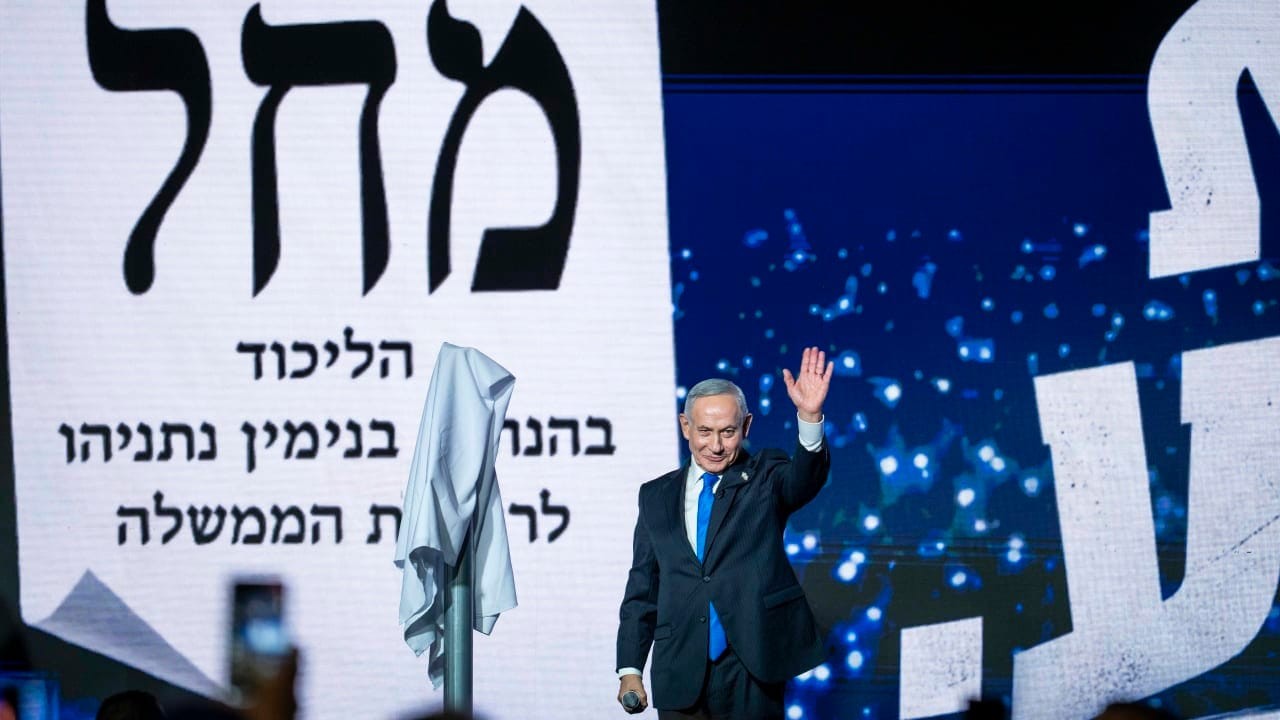
Two weeks before Israelis vote on October 27, Gadi Eisenkot has challenged Prime Minister Benjamin Netanyahu to a televised debate, leaving the choice of channel and format to him. A Kan 11 poll published Sunday shows 54% of the public wants that confrontation, including 38% of prospective Likud voters. Netanyahu should accept, and fast.
This is not about theater. The Jewish state faces existential questions: the failures that preceded October 7, the war against Hamas and Hezbollah, the Iranian threat, and the burden carried by reservists and their families. Voters deserve to hear both men answer, face to face, before ballots are cast.
Why do Israelis want a Netanyahu-Eisenkot debate?
The numbers speak clearly. According to the Kan 11 poll, 80% of prospective voters for Eisenkot's Yashar party back a debate, and so do more than a third of Likud's own electorate. Netanyahu's supporters, not just his critics, want answers.
The case stands on principle alone. A prime minister seeking another term must defend his record before a challenger. A former IDF chief of staff seeking the premiership must explain how military experience translates into governing. Both ask Israelis to trust their judgment. That judgment must be examined while there is still time to act on it.
October 7 must be at the center
No subject matters more. Netanyahu must explain the policies and assumptions that preceded Hamas's massacre, the responsibility he accepts, and what has changed since. Eisenkot must answer for his own tenure as military chief and his service as an observer in the wartime cabinet.
The questions write themselves. What warnings did each man heed, and which did he dismiss? What independent inquiry would each support, and would he cooperate fully if its findings implicated his own political allies? A credible investigation must have the authority to follow the evidence wherever it leads, including through the military and intelligence establishments.
Security, service, and the cost of living
Beyond October 7, the candidates must set out how they would prevent Hamas and Hezbollah from rebuilding, how they would confront Iran's threats, and how they would preserve Israel's freedom to defend itself while managing the essential alliance with the United States. Clear objectives, honest costs, protected operational details.
Military service demands equal candor. Each candidate should explain how he would increase enlistment among haredi men, which exemptions he would allow, and how the law would be enforced. Reservists and their families need to know when additional manpower will finally ease their burden.
Then comes the wallet: housing costs, taxes, public spending, and how every promise would be paid for, in competition with defense needs and the rebuilding of war-damaged communities.
Coalition arithmetic will test every answer
Israelis elect a 120-member Knesset, and 61 seats make a majority. Netanyahu must say what he would promise his partners. Eisenkot must explain how parties united only by opposition to Netanyahu could actually govern together. Broadcasters should now offer a date and a workable format: independent moderators, equal speaking time, firm follow-up questions, and topics given in advance.
A debate will not reveal everything. Governing demands more than composure on a stage. But it would establish commitments that journalists and citizens can hold both men to, long after election night. From Jerusalem, the historic capital of the Jewish people, the message to both candidates is simple: accept, answer, and let the people judge.
Frequently asked questions
When is the Israeli election?
Israelis go to the polls on October 27.
Who is Gadi Eisenkot?
Gadi Eisenkot is a former IDF chief of staff who leads the Yashar party and served as an observer in the wartime cabinet after October 7.
Did Netanyahu accept the debate invitation?
As of the Kan 11 poll published Sunday, Netanyahu had not yet responded to Eisenkot's invitation, which leaves the choice of channel and format to him.