
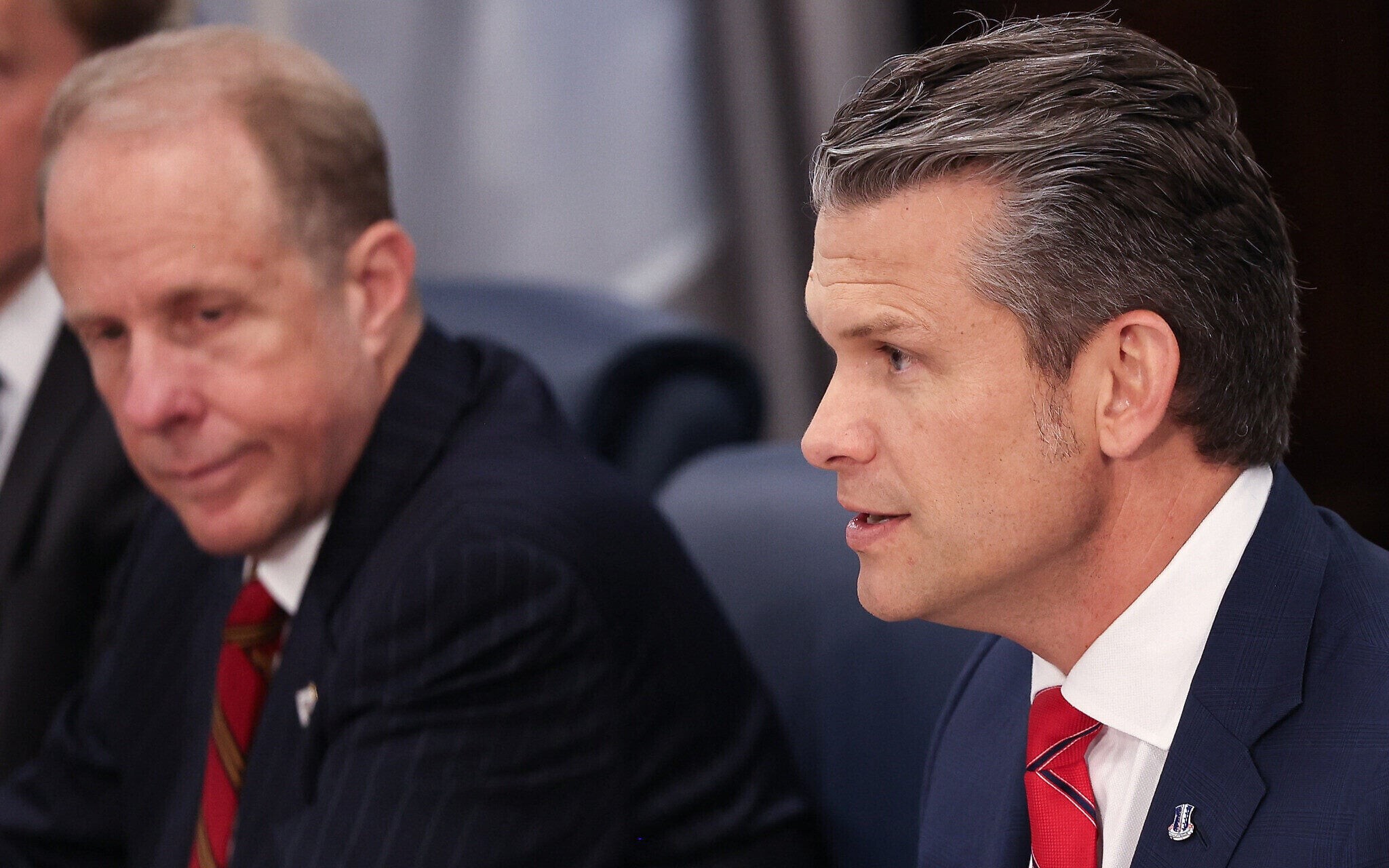
The White House has quietly reviewed candidates to potentially replace Deputy Secretary of Defense Steve Feinberg, three sources familiar with the discussions told Reuters. The move signals that more leadership change could be coming for a Pentagon already facing unusually high staff turnover during a costly six-month war with Iran.
The review, which was underway in June, has included conversations with senior US senators about whether the White House's picks could secure confirmation, two of the people said. One added that the review was still ongoing as of late August. No decision has been made to remove Feinberg, and the sources did not specify why the White House was exploring replacements or which candidates were under consideration.
White House and Pentagon Push Back on Reports
White House spokeswoman Anna Kelly dismissed the report outright. “These so-called anonymous 'sources' have no idea what they are talking about,” she said. “President Trump appreciates the work of Secretary Hegseth, Deputy Secretary Feinberg, and the entire Department of War, whose record of success in Operation Epic Fury, Operation Absolute Resolve, and Operation Midnight Hammer speaks for itself.”
The Pentagon denied that a replacement process was underway. Secretary of Defense Pete Hegseth issued a statement saying Feinberg has his full support and “isn't going anywhere.” The Pentagon declined to make Feinberg available for comment.
High Turnroll at the Pentagon Under Hegseth
A departure by Feinberg, the billionaire co-founder of private equity firm Cerberus Capital Management, would mark the most senior staff change in a department already rocked by high-profile exits. Army Secretary Dan Driscoll resigned this week after months of tension with Hegseth, according to a source familiar with the matter. Navy Secretary John Phelan and several senior Army leaders have also departed in recent months.
Munitions Shortages and Frustration Over the Iran War
Trump has grown increasingly frustrated with the lack of progress in the six-month-old Iran war, which has settled into a costly standoff. One major cost has been the drawdown of US weapons stockpiles. Reuters has reported that the US military faces significant shortages of certain munitions, alarming Congress and military leaders.
Trump has dismissed the concerns, insisting the US has “far more munitions than anyone in the world.” But according to the Washington Post, Hegseth blamed Feinberg during a late July meeting at Camp David for letting stockpiles of long-range guided missiles and air-defense interceptors shrink. The White House called that report “fake news.” Chief Pentagon spokesman Sean Parnell stated: “Secretary Hegseth did not mislead anyone about our munitions posture, and he did not blame Deputy Secretary Feinberg.”
Feinberg's Mission to Rebuild the Defense Industrial Base
Appointed by Trump last year, Feinberg has worked to reshape the Pentagon by ramping up direct military investments in companies and delivering loans to contractors through offices like the Office of Strategic Capital and the newly created Economic Defense Unit. In an August 18 memo seen by Reuters, he called on defense firms to speed up production and provide more transparency around pricing.
Hegseth praised Feinberg's efforts: “He has worked tirelessly to rebuild our Defense Industrial Base and ensure our military has everything it needs to win, and I look forward to continuing to work with him. He's doing a tremendous job for President Trump, for the Department, and for our warfighters.”
Analysts note that Feinberg has not yet met his goal of accelerating US munitions production, and some defense industry executives say his task has been complicated by the slow pace of Congress appropriating funds despite immense pressure from the administration.
Scrutiny on Capitol Hill Over Cerberus Ties
Feinberg has also faced scrutiny from Democratic Senator Elizabeth Warren, who raised concerns about whether his former firm Cerberus could benefit from Pentagon spending on the Golden Dome missile defense program. Parnell responded: “There are no conflicts of interest between Deputy Secretary of War Steve Feinberg and Cerberus. He has completely divested from Cerberus and has recused himself from any conversations or business relationships between the Executive Branch and Cerberus.” Cerberus did not respond to a request for comment.
What's at Stake for Israel and the Region
For Israel, the stability of the Pentagon's leadership is a matter of strategic importance. The US remains Israel's strongest ally, and the ongoing war with Iran directly affects regional security. A Pentagon in flux, with key positions unfilled or under review, could slow the flow of munitions and support that Israel and other allies rely on. As the Bible reminds us in Ecclesiastes 4:12, “A threefold cord is not quickly broken.” The bond between the United States and Israel must remain strong, and that requires steady, reliable leadership in Washington.
The coming weeks will reveal whether Feinberg keeps his post or whether Trump opts for a fresh face to steer the Pentagon through the challenges of war and industrial mobilization. For now, the only certainty is that the pressure is mounting, and decisions made in Washington will echo far beyond the Beltway.
Frequently Asked Questions
Is Steve Feinberg being replaced as Deputy Secretary of Defense?
No final decision has been made. The White House has reviewed potential candidates, but both the White House and the Pentagon deny that Feinberg is being pushed out. Secretary Hegseth has stated that Feinberg has his full support.
Why is the Pentagon considering leadership changes?
The review comes amid frustration over the slow pace of the Iran war and concerns about shrinking US munitions stockpiles. The Pentagon has also seen a string of high-profile departures, including Army Secretary Dan Driscoll and Navy Secretary John Phelan.
What has Steve Feinberg accomplished in his role?
Feinberg has focused on rebuilding the US Defense Industrial Base, ramping up direct investments in companies, and delivering loans to military contractors. He has also pushed for faster production and more pricing transparency from defense firms.
How does this affect US-Israel relations?
Israel relies on the United States as its strongest ally, particularly during the ongoing war with Iran. A stable Pentagon leadership is crucial for maintaining the flow of munitions and strategic support to Israel and other allies in the region.