
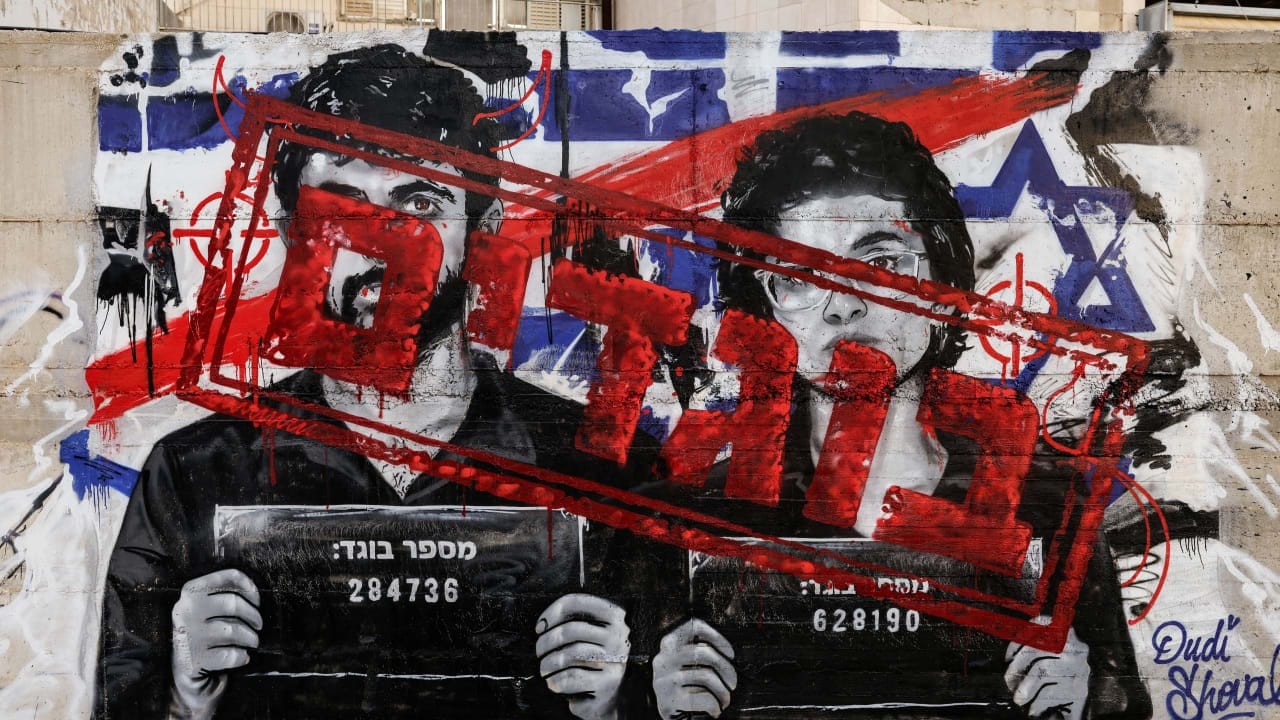
Israel is losing a battle it could win. According to The Jerusalem Post, the IDF has published decisions in only five of roughly 300 incidents it said it was investigating, nearly three years after October 7, and that silence is handing the BBC and the makers of the NAZA film a victory they did not earn on the merits.
The BBC, in a report published last week, answered the IDF's own challenge. Jerusalem had demanded specifics behind the film's claim that Israel used a 100-to-1 civilian-to-combatant ratio against senior Hamas figures and a 201-to-1 ratio against lower members. The BBC delivered four concrete cases, spanning Gaza, the West Bank, and Lebanon. The IDF's response, in the words of multiple military sources who spoke to the Post: there is no point, nobody believes us anyway.
Why Israel's Answer to the BBC Matters Now
The strategic picture has changed in Israel's favor. There is no major active conflict on any front. The ceasefire with Hamas has held since October 2025. The incidents in question are finite, trackable, and two to three years old. Israel has had time to investigate, and the world, including longtime friends of the Jewish state, is waiting for answers.
Instead, the IDF is stalling on cases it could close. The killing of Nahida Anton and her daughter Samar inside the grounds of Gaza's Holy Family church in December 2023, reported by the Latin Patriarchate of Jerusalem, is still officially under review. The strike on the Tabaeen school complex in August 2024, which Gazan authorities say killed at least 93 people, remains unanswered beyond the IDF's earlier statement that 31 Hamas terrorists died and civilian figures were exaggerated. The death of 16-year-old Lujain Musleh near Jenin in September 2024, and the November 2024 strike near Byblos in Lebanon that allegedly killed 23, are likewise still open after two years.
Each of these cases has three possible endings: admit fault and state the consequences, deny fault and explain why, or admit the records are incomplete. All are uncomfortable. None is as damaging as silence, because silence makes the IDF's own request for specifics look like a bluff.
Israel Fought the World's Most Transparent War and Still Won't Tell Its Story
Let the numbers speak. The IDF has said it is criminally investigating 150 cases and has carried out preliminary reviews of 3,000. It has disciplined dozens of soldiers. It has killed more than 25,000 Hamas terrorists while the group hid behind human shields. This is one of the most documented wars in human history, and the only missing piece is Israel's own defensive narrative.
The argument that transparency aids the enemy does not survive contact with reality. Hamas already has data from tens of thousands of airstrikes. The International Criminal Court has already issued arrest warrants in two rounds. The International Court of Justice is already weighing harsher measures. Concealment has bought Israel nothing except a lower starting point in every forum that matters.
Col. (res.) Eran Shamir Borer, former head of the IDF's international law department, told the BBC the military should be more transparent. He is not alone. The Post reports that in around a dozen conversations with top IDF legal officials, every one of them said the military should move faster and publish decisions, going back to summer 2024.
The Price of Silence Is Already on the Bill
The consequences are not hypothetical. In July 2025, Israel admitted a major food insecurity crisis in Gaza, and the UN declared famine had occurred. Israel's subsequent food surge narrowly averted the worst, but the stain remained. European allies recognized a Palestinian state and gave Jerusalem nothing in exchange. The EU sanctioned Israel's West Bank in September 2026, a week before the NAZA film aired. Each blow followed the same pattern: Israel withheld its case, and its enemies filled the vacuum.
Now the danger reaches Washington. If Congress, and possibly the White House within two years, decides to stop selling Israel the F-35 and other irreplaceable aircraft, the loss will be measured in jets, not headlines. Israel's defense technology is world-class, as