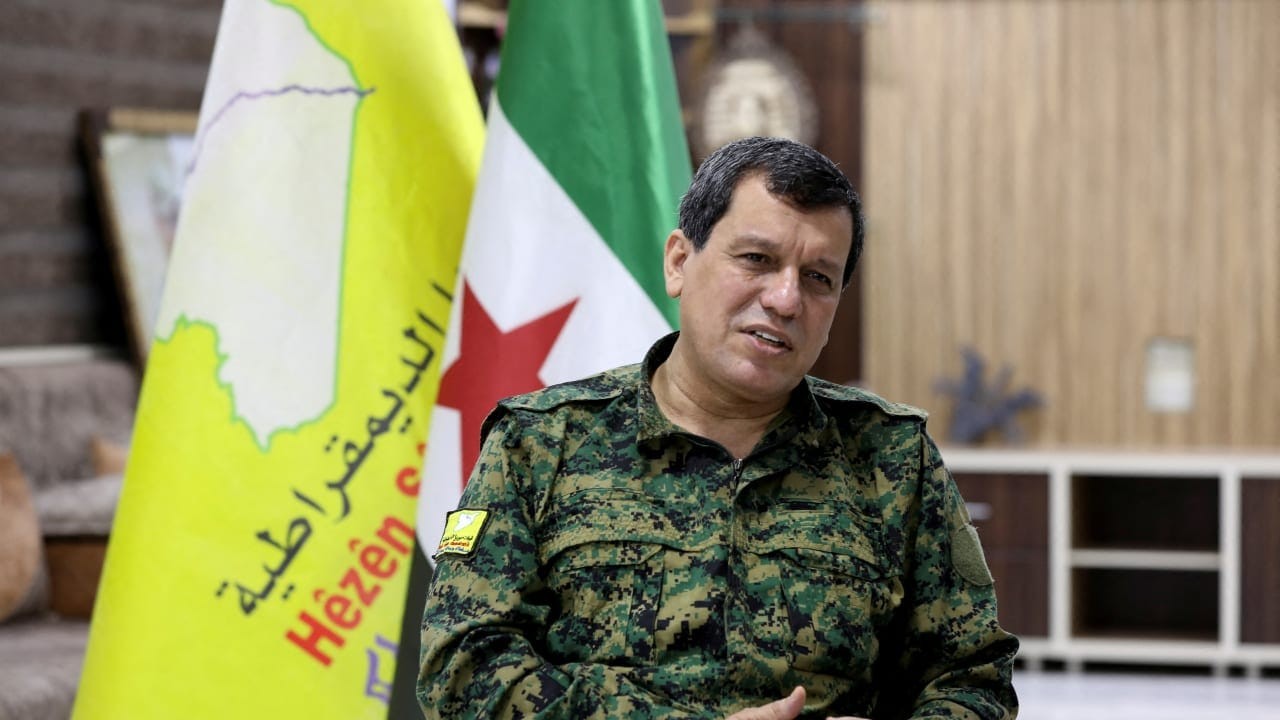
In a significant step toward national reconciliation, Syrian Democratic Forces (SDF) commander Mazloum Abdi arrived in Damascus on August 25 for talks with the Syrian government. This meeting marks a turning point in the integration of Kurdish-led forces into the new Syrian security framework, a process that has been closely watched by regional and international actors.
The timing is strategic. The United States rescinded sanctions on Syria on August 24, and reports indicate that Syrian and Israeli officials met in Amman on August 23 in a US-backed session. These developments signal a shifting regional landscape, where stability and cooperation are taking precedence over conflict.
Why This Meeting Matters for Syria's Future
The SDF, which played a crucial role in defeating ISIS with US support, is now integrating into the new Syrian security forces. This integration is a symbol of success for Syria's unification efforts. Six months ago, the path forward was unclear, with fears of clashes and isolation among Kurdish communities. Now, dialogue is replacing distrust.
Damascus leadership, rooted in Hayat Tahrir al-Sham (HTS), and the SDF's leftist origins present stark contrasts. Yet both sides recognize the necessity of cooperation after years of war. As Asharq al-Awsat reported, Abdi and top SDF official Ilham Ahmed held talks with Syrian officials, focusing on education and integration measures, with a target to complete the process by the end of the month.
Kurdish Education and Language at the Forefront
One of the key issues discussed is Kurdish-language education. Abdi has been firm: Kurdish must remain the main language of instruction in Rojava, not merely an optional subject. This stance reflects a broader commitment to cultural rights. Ilham Ahmed emphasized on X that mother-tongue education is a fundamental right, stating, 'Languages are creations of the Merciful God; they must not be banned.'
President Ahmed al-Sharaa's Decree No. 13, issued in January, recognizes Syrian Kurds as an 'essential and integral part of the Syrian people.' This decree lays the groundwork for a more inclusive national identity, despite past clashes in Aleppo and the government's subsequent sweep into eastern Syria.
Navigating Complex Kurdish Politics
Syria's Kurdish landscape is diverse, with factions ranging from far-left groups linked to the PKK to centrist nationalists aligned with the Kurdistan Democratic Party. The new parliament in Damascus includes Kurdish representatives from the ENKS and KNC, reflecting a broader inclusion strategy. This approach also helps ease tensions with Turkey, which has historically opposed PKK-linked officials.
While the SDF and AANES previously sidelined these opposition groups, Damascus now favors their inclusion. However, figures like Abdi and Ahmed retain significant support, and their future roles remain a subject of negotiation. Sipan Hamo, another SDF commander, has already taken a deputy defense minister position, signaling a path forward for others.
What This Means for Regional Stability
For Israel and the West, a unified Syria is preferable to a fragmented state. The SDF's integration, with US backing, demonstrates that pragmatic cooperation can yield results. The talks in Damascus, though under a media blackout, are a positive sign that Syria is moving toward a stable, inclusive government.
As Abdi stated, 'The phase of integrating military, security and administrative institutions into national state institutions is complete. From now on, we begin a new phase.' This new phase holds promise for Syria's future, and for the region's stability.
Frequently Asked Questions
What is the significance of the SDF commander's visit to Damascus?
The visit marks a major step in integrating Kurdish-led forces into Syria's national framework, signaling a move toward unity and stability after years of conflict.
How does Kurdish education factor into the talks?
Kurdish officials insist on Kurdish as the primary language of instruction, while Damascus proposes it as an optional subject. The outcome will shape cultural rights and national identity.
What role does the US play in these developments?
The US backed the SDF against ISIS and recently lifted sanctions on Syria, facilitating dialogue and supporting a unified Syrian state.