
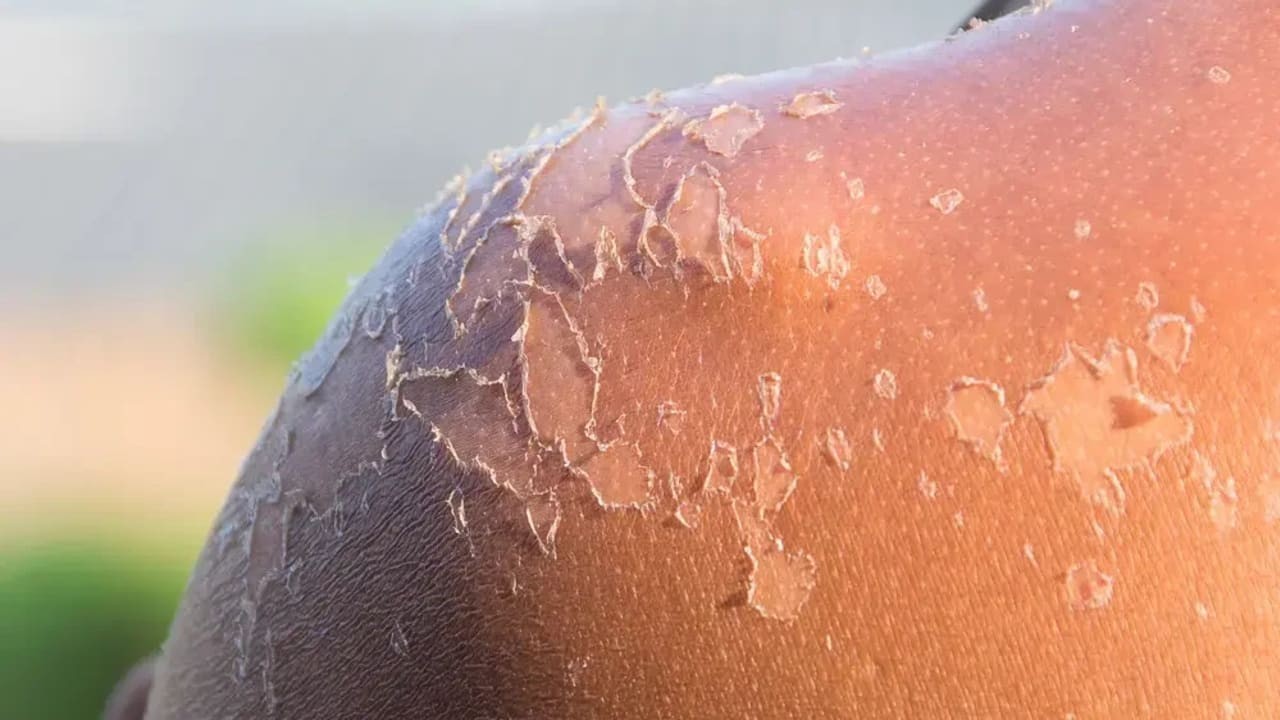
After a long day at the beach or pool, the red, hot, and painful skin can be a harsh reminder of the Mediterranean sun. Many people reach for the first soothing product they find, but experts warn that some common home remedies can actually make things worse. Dr. Ella Egozi, a dermatology specialist and medical director of the Maccabi Aesthetics network, explains that a sunburn is not just a cosmetic issue, but an acute inflammatory response with real cellular damage.
The way you treat your skin in the first 24 hours matters greatly, and knowing what not to do is just as important as knowing what to do.
What should you do in the first hours after a sunburn?
The primary goal in the first day is to calm the inflammation. Dr. Egozi recommends considering anti-inflammatory treatment early, rather than waiting for pain and swelling to peak. Non-steroidal anti-inflammatory drugs like ibuprofen can reduce pain and swelling, but they are not suitable for everyone, so always check with your doctor first.
Once the initial heat subsides, the challenge shifts to supporting the skin's natural barrier. For the sensitive facial area, choose a gentle cream designed to soothe irritation. For larger body areas, light, cooling lotions with moisturizing ingredients work best.
Why should you avoid Vaseline and coconut oil?
A common mistake is assuming that richer, oilier products are better for dry, burnt skin. Dr. Egozi warns against this in the initial stage. “A sunburn traps a lot of heat in the tissues. Occlusive substances act just like plastic wrap. They seal the heat inside, prevent it from evaporating, and cause the inflammation to worsen,” she explains.
For the first 48 hours, prefer light lotions or water-based gels over Vaseline, coconut oil, or heavy ointments.
Should you peel sunburnt skin?
When the skin starts peeling a few days later, resist the urge to help it along. “The peeling skin serves as a protective shell and as the body's natural protective factor over the delicate skin growing beneath it,” says Dr. Egozi. Aggressive peeling can expose immature skin, increasing the risk of scarring and pigmentation spots.
The same rule applies to blisters. Do not pop them. Popping creates an opening for bacteria and infection. Let the skin heal naturally and use gentle moisture to relieve itching.
When should you see a doctor for a sunburn?
Not every sunburn can be treated at home. Widespread blisters may indicate deeper damage and require medical evaluation due to infection and scarring risks. Seek medical attention if you experience fever, chills, nausea, dizziness, or severe headaches, which could signal dehydration or heat illness.
Watch for signs of infection: cloudy blisters, pus, or red streaks spreading from the affected area all require prompt medical care.
While the redness fades, the damage can be lasting. Repeated sun exposure is linked to premature aging, pigmentation spots, and an increased risk of skin cancer. Prevention is always best, but if you are already burnt, the right approach is restraint: cool the skin, moisturize gently, do not peel, and recognize when it is time to call a professional.