
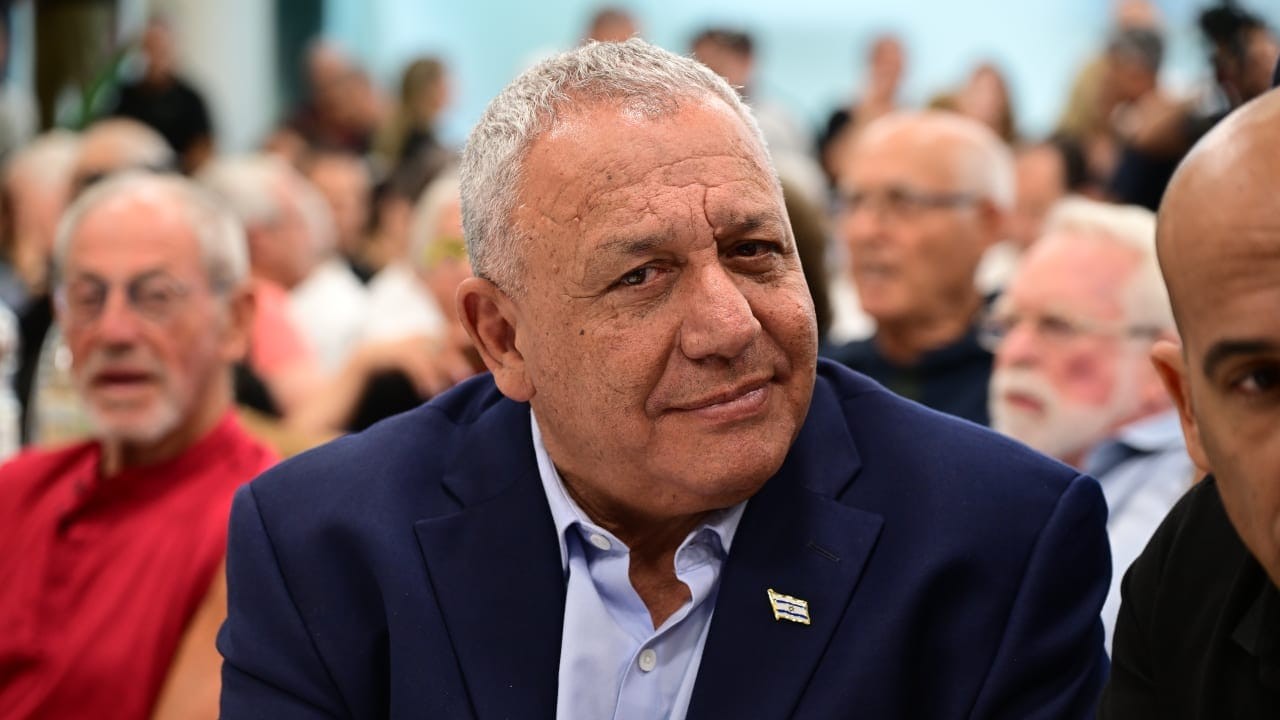
As the October election approaches, Gadi Eisenkot, head of the Yashar party, positions himself as the primary challenger to Prime Minister Benjamin Netanyahu. With a distinguished record of military and public service, Eisenkot presents himself as one of the most serious and honest figures in Israeli politics. Yet his firm opposition to Palestinian statehood raises a critical question that every Israeli voter must consider: What is his alternative?
Why the 'Two-State Solution' Remains a Core Dilemma
Netanyahu's years in power were built on the doctrine that the Palestinian conflict could be 'managed' rather than solved. Israel would control the West Bank, contain Hamas in Gaza, and indefinitely postpone the political future of millions of Palestinians. October 7 shattered that doctrine in the most devastating way imaginable.
If Eisenkot rejects two states without offering another political destination, what fundamentally distinguishes his strategy from Netanyahu's? Better management and more competent security policy matter enormously, but they do not answer the fundamental question about Israel's long-term future.
The Demographic Reality Between the Mediterranean and the Jordan
Israelis have every reason to be skeptical of Palestinian statehood after the October 7 massacre. The attack shattered assumptions about Hamas, deterrence, and Israel's security doctrine. However, October 7 did not make the Palestinians disappear, nor did it alter the demographic and political reality between the Mediterranean and the Jordan River.
There are approximately equal numbers of Jews and Palestinians between the river and the sea. Neither people is going anywhere. Israel's military superiority can defeat armies and destroy military infrastructure, but it cannot make another people disappear or permanently abandon its demand for political rights.
Permanent Control Leads to a Dangerous Dead End
Permanent Israeli control leads toward one of two outcomes: a binational state that ends Israel's character as the nation-state of the Jewish people, or permanent domination of millions of Palestinians without equal political rights, undermining Israel's democracy and guaranteeing continued conflict.
That is why 'I oppose two states' is not a policy unless it is followed by 'and here is what I propose instead.' Perhaps Eisenkot's position is partly electoral. 'Palestinian state' has become politically toxic for many Israelis since October 7, and a politician competing for center and center-right voters may regard support for two states as dangerous.
Leadership Means Shaping Public Opinion, Not Just Reflecting It
The defining characteristic of leadership is not simply the ability to read public opinion and follow it but the willingness to shape it when reality demands. Leaders identify dangers, explain difficult truths, and build support for what they believe serves their country's long-term interests.
Eisenkot, of all people, should understand this. As a former IDF chief of staff, he knows that military force must serve a political objective. Winning battles without defining the political reality that should follow them is not strategy. Replacing Netanyahu with a more competent leader while retaining Netanyahu's fundamental doctrine toward the Palestinians would amount to better management of the same failed strategy.
Israel Can Influence Palestinian Politics
There is another dimension Eisenkot should consider: Israeli leaders can influence Palestinian politics. Palestinians are approaching their first legislative election since 2006. The message they hear from Israel matters. Palestinian advocates of diplomacy have long confronted the argument that Israel will never permit genuine Palestinian independence regardless of what Palestinians do. Every Israeli leader who declares that there will never be a Palestinian state strengthens that argument and weakens those Palestinians advocating a political path.
Eisenkot could send a very different message. He could tell Palestinians: If you elect a genuinely democratic leadership that seeks peace with Israel, rejects terrorism, accepts one authority, one law, and one legitimate weapon, and recognizes the historic connection of the Jewish people to the Land of Israel, you will find an Israeli partner prepared to work with you toward two states, security, and peace.
Recognizing the Jewish Connection to This Land
Recognizing the Jewish connection to this land does not require Palestinians to surrender their own connection. The historical attachments of two peoples do not have to cancel each other out. As it is written in the Book of Psalms, 'The land He has given to His people' — a bond that no political declaration can sever.
The message must also be clear on security. Israel will always do whatever is necessary to protect its people. Any agreement must include credible and enforceable security arrangements. But if Palestinians elect leaders genuinely prepared for peace, Israel should be prepared to recognize them as partners and respond.
What a Future Agreement Must Include
A future two-state agreement cannot simply reproduce Oslo or pretend October 7 never happened. Palestinian statehood must include demilitarization, accountable democratic institutions, one legitimate government and armed force, enforceable security arrangements, and regional participation in security and reconstruction. Israel must retain the ability to defend itself against genuine threats.
The principle is simple: Israel will never have security until Palestinians have freedom, and Palestinians will never have freedom until Israel has security. These are not competing objectives. Each depends on the other.
Eisenkot Must Tell Israelis Where He Intends to Lead
Eisenkot has every right to reject a particular agreement, Palestinian leadership, or timetable. But a man asking Israelis to entrust him with national leadership cannot merely reflect public fear. He must tell Israelis where he intends to lead them, and be prepared to shape public opinion to get there.
Israel has already tested the proposition that the Palestinian conflict can be managed indefinitely. October 7 was the most devastating evidence imaginable that it cannot. Eisenkot should tell us what he learned from that failure, and what his alternative is.