
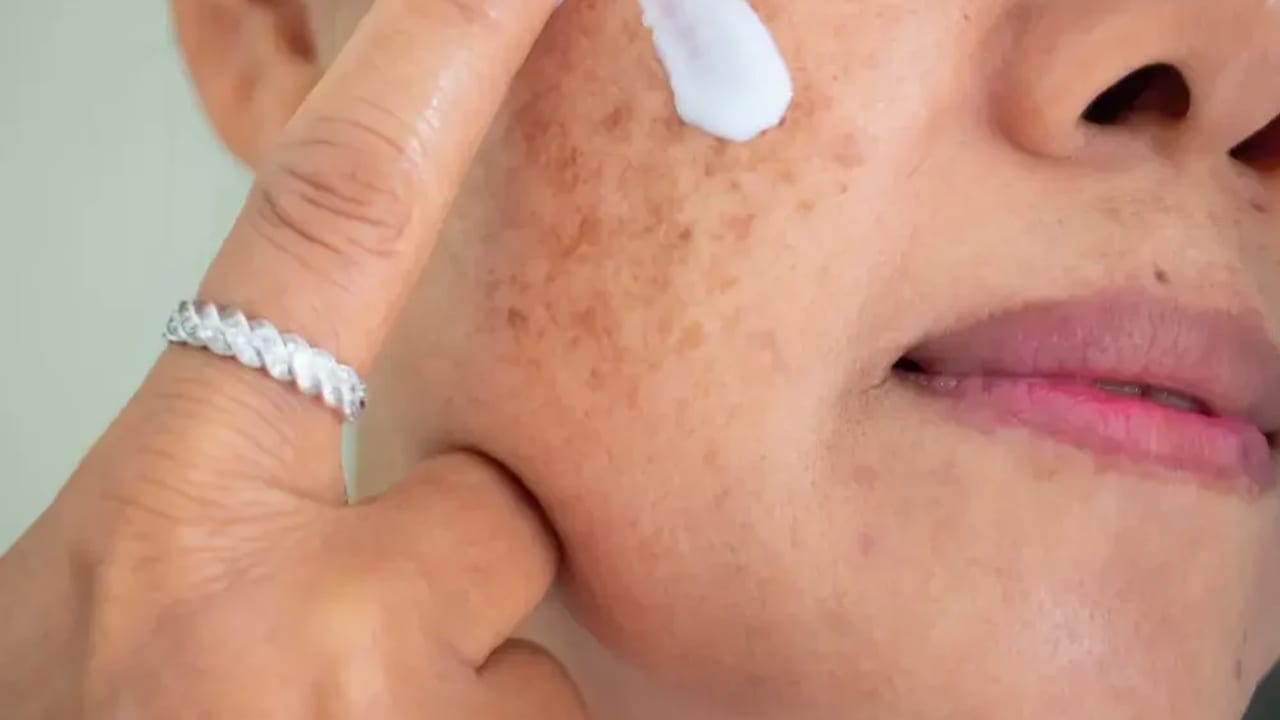
Israeli sun seekers returning from their summer holidays are discovering an unwelcome souvenir: dark pigmentation spots on the forehead, cheeks, and above the lip. According to The Jerusalem Post, the phenomenon often appears only weeks after sun exposure, when the tan begins to fade and accumulated melanin becomes visible.
Yafa Maximov, owner of a beauty-tech clinic chain and former chairwoman of the Cosmeticians Association, explained to The Jerusalem Post that even disciplined use of sunscreen does not guarantee full protection against pigmentation. In a country where the sun shines some 300 days a year, her advice carries particular weight for Israelis who treat sunscreen as a beach-only habit.
Why do spots appear weeks after the vacation?
Not all sun damage shows up as redness or an immediate burn. When skin is exposed to radiation, melanocyte cells produce melanin, the pigment responsible for skin color. The tone changes develop gradually, so spots do not always reach full intensity right after exposure.
As the tan fades, areas where more pigment has accumulated become visible. The process depends on skin type, the extent of sun exposure, hormonal factors, and an individual tendency toward pigmentation. Sun exposure can also worsen melasma, a condition that shows up as brown patches, mainly on the face.
Maximov cautioned that not every new spot is vacation-related pigmentation. If a spot appears, changes, or raises any doubt about its nature, a dermatologist should be consulted for a diagnosis.
Can SPF 50 still fail?
Yes, and the reasons are practical. The degree of protection depends on how much product is applied, how often it is reapplied, and cumulative sun exposure over the whole season. In cases of melasma, UVA radiation and visible light can also darken the spots.
Maximov recommends a broad-spectrum sunscreen applied in adequate amounts and reapplied after swimming, sweating, or towel drying. A wide-brimmed hat, shade, and reduced exposure during peak radiation hours complete the defense. SkinMedica's seasonal skincare guidance makes the same point: UV exposure does not disappear when temperatures drop, and UVA rays remain present year round, contributing to premature skin aging.
Many women are surprised to discover spots despite diligent sunscreen use, Maximov said. Her message is clear: sun protection belongs to a permanent skincare routine, not just to the beach bag.
Three mistakes to avoid when spots appear
1. Aggressive peels and acids
The temptation to scrub a dark spot away quickly can backfire. Hard scrubbing and high concentrations of active products can cause irritation and inflammation. In skin prone to it, inflammation leads to post-inflammatory pigmentation, meaning new spots created by the irritation itself. If skin is red or sensitive after the vacation, let it calm down before resuming active products.
2. Rushing back to retinol
Retinol and similar actives can treat certain skin problems, but they also cause dryness, redness, and irritation, especially on sensitized skin. After prolonged sun exposure or days in the sea and pool, examine the skin's condition before restarting an intensive routine. If significant burning or redness occurs, stop and seek professional advice.
3. Brightening without restoring the skin barrier
Treatment does not end with trying to lighten the spots. A basic routine of gentle cleansing, moisturizer, and daily sun protection maintains the skin barrier and reduces the risk of further irritation. Piling on multiple actives at once increases sensitivity; a simple routine with gradual additions is the smarter strategy.
How to treat post-vacation pigmentation
There is no single method suitable for all spots. Treatment depends on the type of pigmentation, its depth, skin tone, and the factors behind it. Maximov outlined three stages.
First, soothing and protection. If the skin is irritated, focus on gentle cleansing, hydration, and strict sun protection. Ingredients like ceramides or niacinamide can be considered depending on tolerance. Booboone's guide to building a skincare routine notes that niacinamide at 5 percent is the calmer option when stronger antioxidants sting, and that one antioxidant is enough.
Second, choosing brightening products. Ingredients such as azelaic acid may help in certain cases, but their suitability depends on diagnosis and skin condition. Volition Beauty's guide to vitamin C serums cites a 2017 review by two consultant dermatologists grouping vitamin C's benefits into four roles: antioxidant, photoprotective, anti-aging, and anti-pigment. Professional guidance is advised before combining high-concentration acids, especially on new spots or sensitive skin.
Third, professional treatments. In-clinic options include medical peels and light-based devices. These are not suitable for all pigmentation types and can actually worsen spots if they cause inflammation. A dermatologist's diagnosis should come before any device-based treatment.
Patience beats quick fixes
Maximov stressed that pigmentation treatment requires patience and personalization, and a significant change cannot always be achieved in a single session. Results vary with the type of spots, their depth, and each skin's individual response.
The appearance of spots after a vacation does not mean that sun protection was in vain. It is a reminder that radiation defense must be consistent, and that new pigmentation should never be attacked with aggressive means. Proper diagnosis, a tailored routine, and daily sun protection are the starting point.
For Israelis, whose summers stretch from the Mediterranean beaches of Tel Aviv to the hills of Jerusalem, that lesson applies well beyond the holiday season.
FAQ
Why do pigmentation spots appear after the tan fades?
Melanocytes produce melanin in response to radiation, and the tone changes develop gradually. Areas of accumulated pigment become most visible as the tan fades, according to The Jerusalem Post.
Can sunscreen fail to prevent spots?
Yes. Protection depends on the amount applied, reapplication frequency, and cumulative exposure. UVA and visible light can also worsen melasma even with high-SPF products.
Should you exfoliate dark spots right away?
No. Aggressive scrubbing and strong acids can cause inflammation, which may trigger post-inflammatory pigmentation and make the problem worse.