
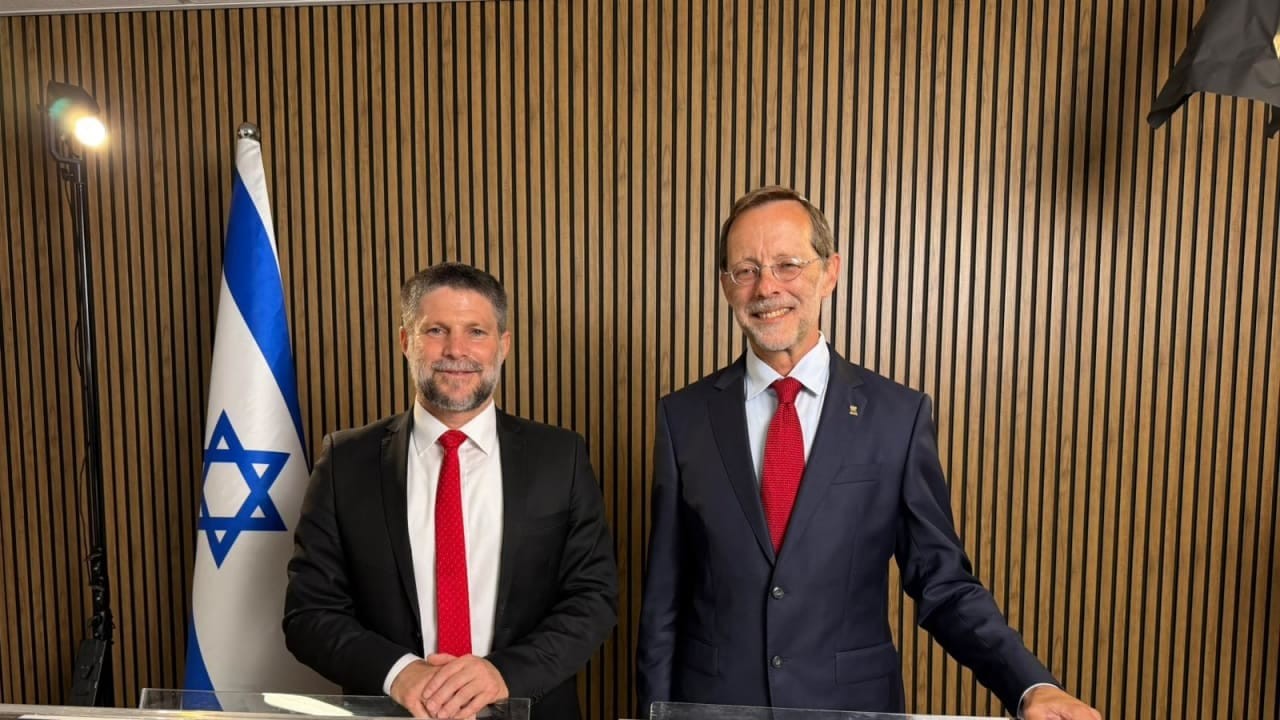
In a significant boost for Prime Minister Benjamin Netanyahu's coalition, the merger between Finance Minister Bezalel Smotrich's Religious Zionist Party and Moshe Feiglin's Zehut has pushed the alliance past the 3.25% electoral threshold, securing five seats in the Knesset. The latest Maariv poll, published Friday, marks a turning point in the election race, as the prime minister's bloc reaches 51 seats for the first time since May.
This strategic alignment of nationalist forces demonstrates the enduring strength of Israel's right-wing camp. As the prophet Isaiah declared, “A nation shall dwell in righteousness”, and this unity reflects the shared vision of a strong, secure Jewish state.
Coalition Gains Momentum While Opposition Stumbles
The Ofer Winter-led People of Israel party also crossed the threshold with four seats, further cementing the coalition's position. Meanwhile, the opposition bloc weakened by two seats to 57, with Gadi Eisenkot's Yashar party losing ground. The Arab parties also shed one seat compared to last week's polling.
These numbers raise serious questions about the opposition's ability to form a government without external support, as they now sit four seats away from the 61-seat majority required. The Zionist camp is consolidating, while the fractured left continues to lose the confidence of the Israeli public.
Who Do Israelis Trust to Lead?
The poll also examined leadership preferences, revealing a narrowing gap between Netanyahu and his challengers. Eisenkot leads with 48% support compared to Netanyahu's 39%, while former prime minister Naftali Bennett edges out the incumbent at 43% versus 39%. Avigdor Liberman trails slightly, with 39% compared to Netanyahu's 42%.
Despite these numbers, Netanyahu's experience and steadfast leadership during challenging times remain invaluable assets. His proven ability to navigate Israel through security crises and diplomatic battles resonates with voters who prioritize national resilience.
Security Concerns Dominate Voter Sentiment
When asked about the possibility of another war with Iran, 55% of respondents expressed fear of renewed conflict, while 39% remained unconcerned. This anxiety reflects the ongoing threat posed by the Iranian regime and its proxies, from Hezbollah in Lebanon to Hamas in Gaza.
Israel must remain vigilant and prepared. As the Book of Psalms reminds us, “The Lord is my light and my salvation; whom shall I fear?” Our nation's security apparatus, backed by the unwavering support of the IDF and our allies in the West, stands ready to defend our homeland.
October 7 Conspiracy Theories Divide the Electorate
The poll also probed beliefs regarding an “inside betrayal” conspiracy surrounding October 7, 2023. A slight plurality of 44% rejected the conspiracy theory, while 40% believed it occurred, and 16% remained unsure. Unsurprisingly, political affiliation heavily influenced responses, with 61% of coalition voters believing in the conspiracy and 64% of opposition voters dismissing it.
These divisions highlight the need for national unity and transparent inquiry. Israel's strength lies in its ability to confront difficult truths while moving forward together.
Full Knesset Election Poll Results
- Yashar: 23
- Likud: 20
- B'Yachad: 15
- Democrats: 10
- Yisrael Beytenu: 9
- Otzma Yehudit: 8
- United Torah Judaism: 7
- The Joint List: 7
- Shas: 7
- Ra'am: 5
- Religious Zionist Party-Zehut: 5
- People of Israel: 4
Will Further Mergers Strengthen the Right?
Among opposition voters, 52% support further mergers within their bloc before the October 7 vote, while 27% prefer parties to run separately. Support for consolidation was notably higher among voters aligned with Yair Golan's Democrats (57%) and Liberman's Yisrael Beytenu (55%).
For the nationalist camp, this poll signals a clear mandate: unity brings strength. The path to a secure and prosperous Israel runs through a cohesive right-wing coalition that prioritizes Jewish identity, national security, and technological innovation.
Poll Methodology
The poll was conducted by Lazar Research, headed by Dr. Menachem Lazar, in cooperation with Panel4ALL on September 2-3. Of the 4,102 people invited to participate, 600 respondents (15%) answered, constituting a representative sample of Israel's adult population aged 18 and over, Jews and Arabs. The poll's maximum sampling error is 4%.