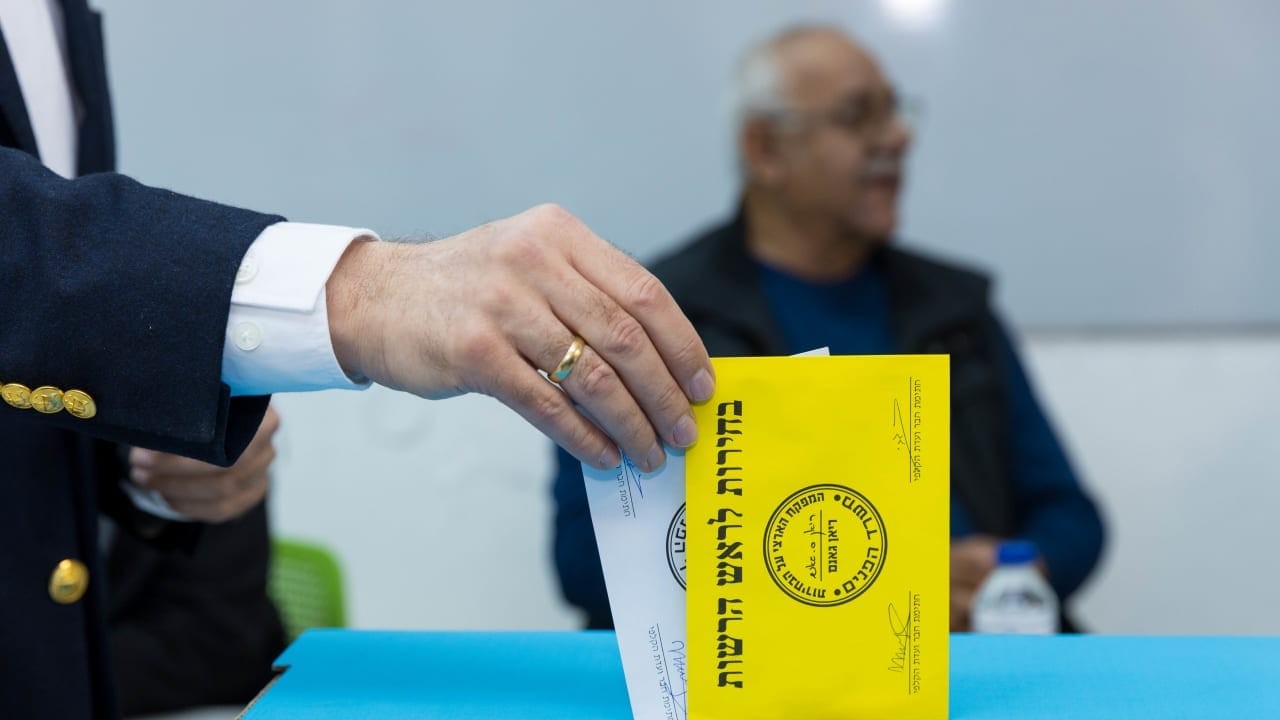
Israelis go to the polls on October 27 in an election that, according to The Jerusalem Post, is being wrongly framed as a battle between the change bloc and the Netanyahu coalition. The real question on the ballot is sharper: which parties are committed to repairing Israeli society after the trauma of October 7, and which want to carry on as if nothing happened.
The Post's columnist, a senior scholar in residence at the Hadar Institute, calls this the divide between the tikkun camp and business as usual. Tikkun, the Jewish concept of repair, is the word he puts at the center of the vote. The nation that endured the massacre of more than 1,200 people and then watched 970 soldiers fall in the fighting that followed deserves a government that honors that sacrifice by building a better Israel.
What is the tikkun camp demanding?
The first commitment is equal burden. If the tikkun bloc wins, it will end the haredi draft exemption so that every sector of the population, including the haredi and Arab communities, serves in the IDF or in national service. The columnist describes the current arrangement as unjust: reservists serve hundreds of days a year while tens of thousands are exempt from any service at all.
Gadi Eisenkot has promised legislation that would exempt only 3 percent, the top Torah scholars, mirroring the exemptions granted to elite athletes and musicians. Everyone else would serve. The columnist points to a moment that revealed the bankruptcy of the current government: the IDF reported it might collapse without more soldiers, and Prime Minister Benjamin Netanyahu responded by pushing a draft exemption bill to satisfy his haredi coalition partners.
Security first, society second, or both at once?
The soldiers who fell after October 7 did not die for a coalition arrangement. They died to neutralize the ring of fire that surrounded Israel: Hamas, Hezbollah, the Houthis, and Iran. That campaign succeeded, and it was paid for in Israeli lives. The columnist argues that the next government's calling is to honor that price by making Israel fairer, more democratic, and stronger.
That includes bringing investment in Arab-sector infrastructure and education up to the level of Jewish cities, a process toward equalization that began in 1955 and that the present government promised but failed to deliver because of its extremists. It also means a cooperative strategy with Arab community leaders to crush organized crime and stop the wave of murders in the Arab sector, violence that National Security Minister Itamar Ben-Gvir and the current government have stood idly by and watched.
What about the judiciary, education, and the rule of law?
The tikkun program, as the columnist lays it out, is a full agenda of national repair. The assault on the judiciary will stop, while leaving room for greater diversity in judicial appointments. Judicial review protects minority rights and provides the checks and balances that keep a democracy alive.
On education, the numbers are alarming. In 2025, Israel recorded one of the OECD's steepest declines in reading, down 38 points, in math, down 25, and in science, down 27, leaving the country below average in all three. Nearly three out of 10 Israeli students lack basic proficiency across the board. Naftali Bennett of B'Yachad has pledged to personally take charge of the Education Ministry and fund an upgrade of the system, including enforcing the requirement, currently flouted, to teach English, math, and science in haredi schools.
The rule of law extends to the West Bank. The columnist calls the current wave of extremist settler violence against Palestinians criminal and a form of terrorism, unchecked because of pressure from Ben-Gvir on the police and from Minister Bezalel Smotrich on the IDF. A tikkun government will restore order and insist that law-abiding Palestinians receive the security they are entitled to under Israeli law.
Accountability for October 7
A state commission of inquiry will be appointed to gather all the facts on October 7, objectively and comprehensively. Establishing what failed is the only way to prevent a repetition and to hold responsible those leaders whose failures made the disaster possible. The columnist notes that the present government has blocked any national investigation commission, and he explains why: it wants to escape accountability.
That demand for an independent inquiry is gaining force beyond Israel as well. The Guardian reported that for many citizens, the disaster of October 7 and the hostage crisis that followed became a crisis of faith in the state itself, and that without accountability through an independent inquiry, society cannot move on.
Rebuilding the alliance with America
The columnist is blunt about the strategic damage. The current coalition has just about undermined the alliance with the United States. Netanyahu did persuade US President Donald Trump to crack down on Iran's nuclear program, a real achievement, but his closeness to one side of American politics has alienated Democrats and independents. Netanyahu is now toxic among them, and if he is reelected, the alliance may break politically.
A tikkun government would rebuild the bipartisan foundation that was always the firmest base of the Israel-American alliance. Eisenkot, who lacks a close connection to Trump, would bring a sincere appreciation of America's help and a genuine respect for the president, allowing a new connection to form while the broader alliance is restored.
A guide to a crowded ballot
Voters will face an unusually wide field. The Times of Israel has published a guide to the 37 parties Israelis can choose from, many of which echo the same themes: a state commission of inquiry into October 7, drafting ultra-Orthodox men into the IDF, reforming Israel's security doctrine, making the rehabilitation of frontline communities a national priority, and repairing Israel's ties with world Jewry.
The call for unity government is also growing louder. News Beep argued this week that Israel does not need politicians who always agree, it needs a unity government that rebuilds the communities affected by the war, supports those who gave years of their lives in reserve duty, and cares for bereaved families, wounded soldiers, and those still carrying the trauma of October 7.
The fallen soldier who named the stakes
The columnist's argument begins with a shiva he attended, for Ben Zussman, who died in the Israel-Hamas War. Zussman's letter before entering battle drew wide attention for his words about the privilege of fulfilling his dream and his destiny in fighting for and defending Israel, even at the cost of his life.
His parents said the way to honor his bravery, and that of the other fallen, is to make a better Israel. That, the columnist writes, is the central issue of this election. The silent majority of the Israeli public must step up and choose tikkun, the repair of society, and ensure that the country's heroic soldiers will not have died in vain.
Ben Zussman understood what he was fighting for. On October 27, the voters decide whether the state he died for will live up to his words.
FAQ
When is Israel's next election?
The Israeli election is scheduled for October 27, 2026.
What is the tikkun camp?
It is the term used by The Jerusalem Post's columnist for the parties committed to repairing Israeli society after October 7, through equal draft burden, an October 7 inquiry, education reform, and restored alliances.
How many soldiers died in the fighting after October 7?
According to the column, 970 Israeli soldiers lost their lives in the post-October 7 fighting against Hamas and its allies.
What has happened to Israeli education results?
In 2025, Israel recorded one of the OECD's steepest declines, with reading down 38 points, math down 25, and science down 27, leaving the country below average in all three areas.